

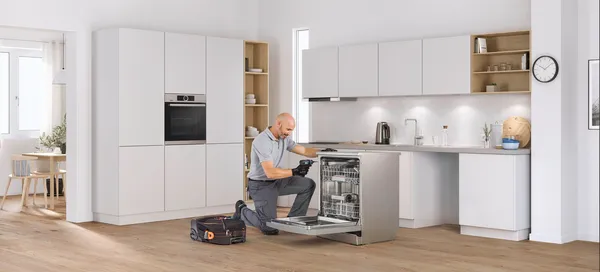
Understanding the Importance of Proper Electrical Preparation
Preparing electrical connections before installing a home appliance is one of the most important steps to ensure safety, efficiency, and long-term performance. Many homeowners focus only on the appliance itself, but the electrical foundation determines whether the system will run smoothly or face repeated failures. Poor wiring, overloaded circuits, or incorrect grounding can lead to serious hazards such as short circuits, fire risks, or permanent appliance damage.
In some real-world situations, especially in heavily cluttered living environments like 汚部屋 エアコン 取付工事 scenarios, professionals often face additional challenges such as limited access to outlets, hidden wiring issues, and unsafe electrical conditions. This makes proper preparation even more critical before installation begins.
Home Appliance Electrical Requirements Overview
Different appliances require different electrical loads. Before starting any installation, it is essential to understand the voltage, amperage, and dedicated circuit needs of the appliance. Large appliances like air conditioners, refrigerators, washing machines, and ovens typically require separate circuits to avoid overload.
Checking the appliance manual is the first step. It usually specifies whether the unit requires a grounded outlet, a 110-120V or 220-240V connection, and the recommended breaker size. Ignoring these requirements can reduce appliance lifespan and increase energy consumption.
Inspecting the Existing Electrical System
Before installing any appliance, a complete inspection of the existing electrical system is necessary. This includes examining the breaker panel, wiring condition, and outlet stability. Old or damaged wiring should never be used for modern high-power appliances.
Look for warning signs such as flickering lights, warm outlets, buzzing sounds, or frequently tripping breakers. These issues indicate that the system may not support additional load. In older homes or densely cluttered spaces like situations similar to 汚部屋 エアコン 取付工事, electrical inspection becomes even more important because hidden damage or unauthorized wiring modifications are more likely.
Ensuring Proper Circuit Allocation
One of the most critical steps in preparing electrical connections is ensuring that each major appliance has its own dedicated circuit. Sharing circuits between multiple heavy-load devices increases the risk of overload.
For example, an air conditioner should never share a circuit with kitchen appliances or heaters. Dedicated breakers help isolate faults and improve safety. If your electrical panel does not have enough capacity, an upgrade may be required before installation can proceed safely.
Selecting the Right Wiring and Materials
Using the correct wire gauge is essential for safe electrical performance. Thicker wires are required for appliances that draw more current. Copper wiring is generally preferred due to its durability and conductivity.
All outlets should be properly grounded, and high-load appliances should use heavy-duty sockets designed to handle continuous current. Low-quality extension cords or adapters should never be used for permanent appliance installation, as they can overheat and cause fire hazards.
Preparing the Installation Area
Before connecting any appliance, the installation area should be clean, dry, and accessible. This is particularly important in challenging environments such as 汚部屋 エアコン 取付工事 situations, where clutter, dust, and restricted movement can make electrical work risky.
Ensure there is enough space around the outlet or junction box for safe handling. Remove obstacles, and make sure the floor is stable and dry to prevent electrical shock. Proper lighting is also necessary for accurate wiring work.
Turning Off Power and Safety Precautions
Safety must always be the top priority when dealing with electrical connections. Before beginning any installation work, turn off the power supply at the circuit breaker. Confirm with a voltage tester that no current is flowing to the outlet or wiring.
Wearing insulated gloves and using proper tools adds an extra layer of protection. Never attempt to work on live wires, even if the voltage seems low. Electrical accidents can happen instantly and cause severe injuries.
Connecting the Appliance Safely
Once the system is verified and prepared, the appliance can be connected. Follow the manufacturer’s wiring diagram carefully. Ensure that each wire is connected to the correct terminal: live, neutral, and ground.
Loose connections should be tightened properly to avoid sparking or overheating. After connecting, double-check all wiring before restoring power. This step is crucial to avoid damage when the system is turned on for the first time.
Testing the Electrical Connection
After installation, restore power and test the appliance in a controlled manner. Start with a low setting if applicable, and observe performance for any irregular behavior such as unusual sounds, burning smell, or tripped breakers.
If any issue appears, immediately shut off the power and recheck the wiring. Testing ensures that the appliance is not only installed correctly but also operating safely within the electrical system’s limits.
Energy Efficiency and Load Management
Proper electrical preparation also contributes to energy efficiency. Appliances connected to stable, well-designed circuits consume power more efficiently and last longer. Overloaded systems, on the other hand, increase electricity bills and reduce performance.
Using surge protectors and voltage stabilizers can further protect sensitive appliances from fluctuations. Regular maintenance of electrical panels and wiring helps maintain consistent energy distribution throughout the home.
When to Call a Professional Electrician
While some minor installations can be handled by homeowners, complex electrical setups should always be managed by licensed electricians. This is especially true in older buildings, heavily cluttered environments like 汚部屋 エアコン 取付工事 scenarios, or when upgrading to high-power appliances such as central air conditioning systems.
Professionals can identify hidden risks, upgrade panels if necessary, and ensure compliance with safety standards. Investing in professional help reduces long-term repair costs and improves household safety.
Final Thoughts on Safe Electrical Preparation
Preparing electrical connections for home appliance installation is not just a technical task but a critical safety process. From inspecting wiring to testing final connections, each step plays a role in ensuring reliable performance.
Whether dealing with modern homes or challenging conditions like 汚部屋 エアコン 取付工事, proper planning and safety awareness are essential. By following structured preparation steps, homeowners can enjoy efficient, safe, and long-lasting appliance performance without unnecessary risks.