

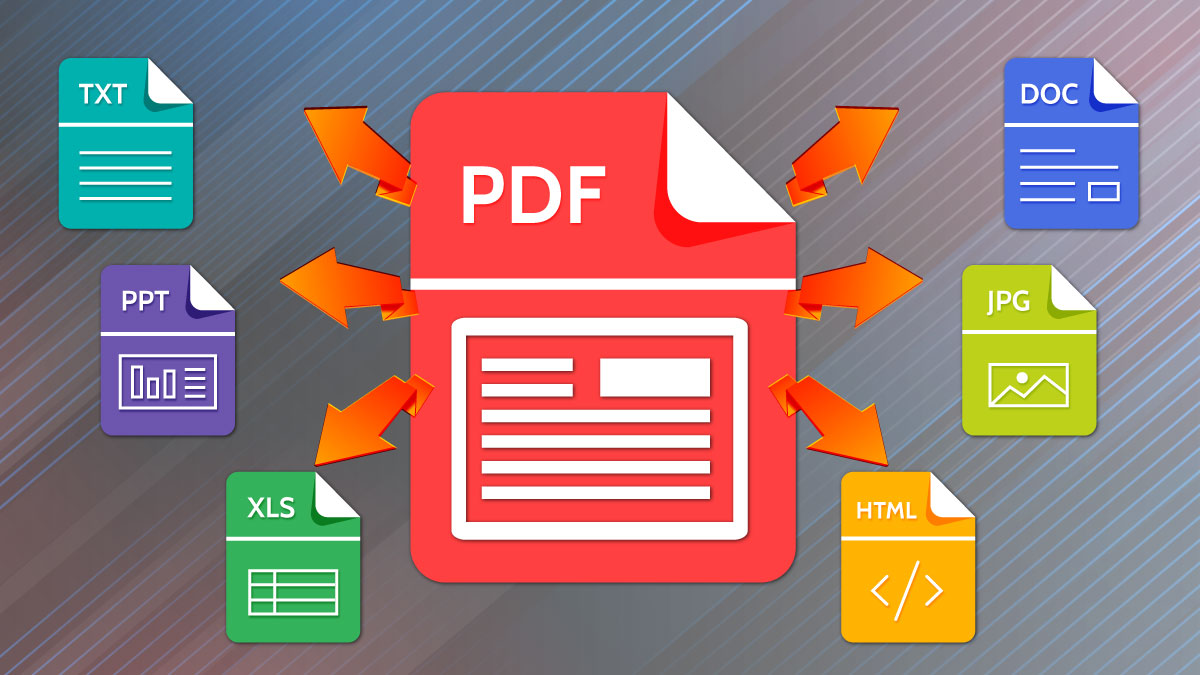
In today’s digital world, image files come in many different formats, and each serves a unique purpose. Among them, TIFF is widely recognized for its exceptional image quality, making it a preferred choice for photographers, designers, publishers, and businesses. However, working with large TIFF files can sometimes slow down workflows or create compatibility issues across different platforms. Using a reliable svg converter and following the right practices can significantly improve image processing speed while ensuring better compatibility with various applications and devices.
Understanding the TIFF File Format
TIFF, which stands for Tagged Image File Format, is known for preserving image quality without significant loss of detail. It supports high-resolution images, multiple color spaces, and various compression methods. These features make TIFF ideal for professional editing, printing, and archiving.
The downside of TIFF files is their large file size. Since they retain a vast amount of image data, they often require more storage space and longer processing times than formats like JPEG or PNG. This is why choosing the right tiff converter becomes an essential part of managing digital images efficiently.
Why Image Conversion Matters
Image conversion is more than simply changing one file extension into another. The process ensures that images remain compatible with different software, websites, mobile devices, and operating systems. A high-quality conversion maintains visual quality while optimizing file size and performance.
For professionals handling hundreds or thousands of images, efficient conversion reduces workload, speeds up editing, and simplifies file sharing. Whether converting TIFF files into JPEG for websites or PNG for transparent graphics, proper conversion techniques improve productivity.
Choose the Right TIFF Converter
The first step toward faster image processing is selecting a dependable converter. Different converters offer various features, including batch processing, compression settings, metadata preservation, and multiple output formats.
A quality tiff converter should provide:
- Fast conversion speeds
- Batch image processing
- High-quality output
- Multiple export formats
- User-friendly interface
- Secure file handling
- Support for large TIFF files
Selecting software with these capabilities saves valuable time while maintaining excellent image quality.
Use Batch Processing Whenever Possible
Converting files one at a time becomes inefficient when dealing with large image collections. Batch processing allows multiple TIFF files to be converted simultaneously.
Benefits of batch processing include:
- Significant time savings
- Consistent output settings
- Reduced manual work
- Improved workflow efficiency
Many modern conversion tools allow users to select entire folders instead of individual files, making image management much easier.
Optimize Compression Settings
TIFF files support different compression methods, including lossless compression options that reduce file size without sacrificing image quality.
Choosing appropriate compression settings helps:
- Reduce storage requirements
- Speed up file transfers
- Improve processing performance
- Maintain excellent image clarity
Avoid excessive compression if the images will be edited later, as preserving maximum quality is often more valuable for professional projects.
Select the Appropriate Output Format
Not every project requires TIFF files. Selecting the right destination format improves compatibility across different platforms.
Common output formats include:
JPEG
Ideal for websites, email attachments, and general photography where smaller file sizes are important.
PNG
Perfect for graphics requiring transparent backgrounds and lossless image quality.
Useful for document sharing, printing, and business presentations.
BMP
Suitable for certain legacy software and specialized applications.
Understanding your project’s requirements helps determine the most suitable output format after using a tiff converter.
Resize Images Before Conversion
Large TIFF images often contain much higher resolutions than necessary for online use. Resizing images before or during conversion reduces processing time and file size.
For example:
- Websites rarely require images larger than 2000 pixels.
- Social media platforms automatically resize oversized images.
- Email attachments benefit from smaller file sizes.
Proper resizing speeds up conversion while maintaining excellent visual quality for the intended purpose.
Keep Metadata Only When Necessary
TIFF files frequently include metadata such as:
- Camera settings
- GPS information
- Copyright details
- Editing history
- Color profiles
While this information can be valuable, removing unnecessary metadata reduces file size and speeds up processing. Many converters allow users to choose whether metadata should be preserved.
Update Your Conversion Software
Technology evolves rapidly, and software developers continuously improve conversion performance, compatibility, and security.
Using updated software offers several advantages:
- Faster processing algorithms
- Better support for modern operating systems
- Improved file compatibility
- Enhanced security features
- Bug fixes and performance improvements
Regular updates ensure your tiff converter performs efficiently with the latest image standards.
Organize Files Before Conversion
Good file organization minimizes confusion during large conversion projects.
Consider organizing images by:
- Project name
- Date
- Client
- Resolution
- Image category
Proper organization makes batch conversion more efficient and simplifies locating converted files afterward.
Monitor Storage Space
Large TIFF files consume considerable storage. Limited available disk space may slow down conversion performance.
Maintaining sufficient free storage helps:
- Speed up temporary file creation
- Improve overall system performance
- Prevent conversion interruptions
- Reduce processing errors
External drives or cloud storage solutions can help manage extensive TIFF collections effectively.
Ensure Cross-Platform Compatibility
Different operating systems and software applications may interpret TIFF files differently. Converting files into universally accepted formats improves compatibility across:
- Windows
- macOS
- Linux
- Android
- iOS
- Web browsers
A dependable tiff converter helps eliminate compatibility issues by producing standardized output formats suitable for various devices.
Verify Color Profiles
Professional printing and graphic design rely heavily on accurate color reproduction.
During conversion, ensure that important color profiles remain intact when necessary. Proper color management guarantees that images appear consistent across monitors, printers, and publishing systems.
Ignoring color profiles may result in unexpected color shifts after conversion.
Test Conversion Settings First
Before converting an entire image library, perform a small test conversion.
Evaluate:
- Image quality
- File size
- Compatibility
- Compression effectiveness
- Color accuracy
Testing allows adjustments before processing hundreds of files, preventing unnecessary rework.
Use Reliable Hardware
Even the best conversion software depends on adequate computer performance.
Factors affecting conversion speed include:
- Processor performance
- Available RAM
- SSD storage
- Graphics capabilities
Modern hardware significantly accelerates large-scale image processing, especially when converting high-resolution TIFF files.
Maintain Backup Copies
Although image conversion is generally safe, maintaining backup copies of original TIFF files protects valuable work.
Backups provide:
- Original image quality
- Recovery from accidental mistakes
- Future editing flexibility
- Long-term archival security
Professional photographers and designers often archive original TIFF files while distributing converted versions for daily use.
Common Mistakes to Avoid
Many users unintentionally reduce efficiency during image conversion.
Avoid these common mistakes:
- Using incorrect output formats
- Applying excessive compression
- Ignoring color profiles
- Converting files individually instead of using batch processing
- Deleting original files immediately
- Using outdated conversion software
- Overlooking metadata settings
Avoiding these issues leads to smoother workflows and higher-quality results.
Conclusion
Efficient image management depends on both proper workflow and reliable tools. Since TIFF files offer exceptional image quality but larger file sizes, optimizing the conversion process becomes essential for photographers, designers, publishers, and businesses alike. Choosing the right tiff converter, utilizing batch processing, optimizing compression, selecting suitable output formats, preserving necessary metadata, and maintaining updated software all contribute to faster image processing and better compatibility. By following these practical tips, users can streamline their workflows, reduce storage requirements, and ensure that converted images perform well across different platforms without compromising quality.