

Understanding the price of a prescription medicine can be challenging. The amount shown online, on a pharmacy website, or at a local pharmacy may not represent the final amount a patient pays. For medicines such as Ozempic, pricing can vary according to location, pharmacy, insurance coverage, eligibility for discounts, and prescription requirements. Learning how to evaluate medication pricing information carefully can help consumers avoid misleading claims and make safer healthcare decisions.
What Is Ozempic 0.5 mg?
Ozempic is a prescription medicine containing semaglutide. It is primarily prescribed for certain adults with type 2 diabetes, alongside diet and exercise, under the supervision of a healthcare professional. The medicine is administered as a subcutaneous injection, and the appropriate dose depends on an individual’s treatment plan.
A 0.5 mg dose is one of the dosing strengths used during treatment. However, the correct dose is not something patients should select solely according to price. A healthcare professional determines whether Ozempic is appropriate and how it should be used based on medical circumstances, treatment response, and other factors.
Because prescription medicines can have important contraindications, interactions, and side effects, price should always be considered alongside medical suitability and the legitimacy of the pharmacy supplying the medication.
Why Medication Prices Can Differ
One of the most important points when evaluating an Ozempic 0.5 mg price is understanding that there is not necessarily one universal price. Several factors can influence the amount a patient pays.
Insurance coverage is often a major factor. A person with prescription insurance may have a different out-of-pocket cost from someone paying the cash price. Deductibles, copayments, formularies, and coverage restrictions can all affect the final amount.
Geographical location can also influence medication costs. Pharmacy pricing may differ between countries, regions, cities, and individual pharmacies. Taxes and local healthcare regulations may further affect the final cost.
The dispensing pharmacy is another consideration. Different pharmacies may advertise different cash prices or participate in different savings programs. Promotional offers may also have eligibility requirements, expiration dates, or restrictions.
Look Beyond the Advertised Price
An unusually low advertised price should not automatically be considered a bargain. Consumers should determine exactly what the quoted amount includes.
For example, an advertised figure might represent a discount rather than the standard cash price. Some offers may apply only to qualifying patients, while others may involve insurance or specific prescription conditions. Additional fees for dispensing, consultation, delivery, or other services can also affect the total.
Before comparing prices, identify whether the figure refers to the complete medication cost, an estimated insurance copayment, or a promotional price. Comparing equivalent quantities and formulations is also essential because apparently similar offers may not actually represent the same product.
Verify the Pharmacy and Prescription Requirements
Price should never be separated from product authenticity and pharmacy legitimacy. Prescription medicines should be obtained through lawful and appropriately regulated channels.
A legitimate pharmacy should provide clear information about prescription requirements, professional oversight, and contact details. Websites that promise prescription medicines without appropriate medical evaluation should be treated cautiously.
Consumers should also be skeptical of websites making dramatic claims about extremely cheap medicines, guaranteed results, or products that supposedly require no prescription when a prescription is normally required. Protecting personal and financial information is another important consideration when purchasing medicines online.
Be Careful With Comparisons to Other Medicines
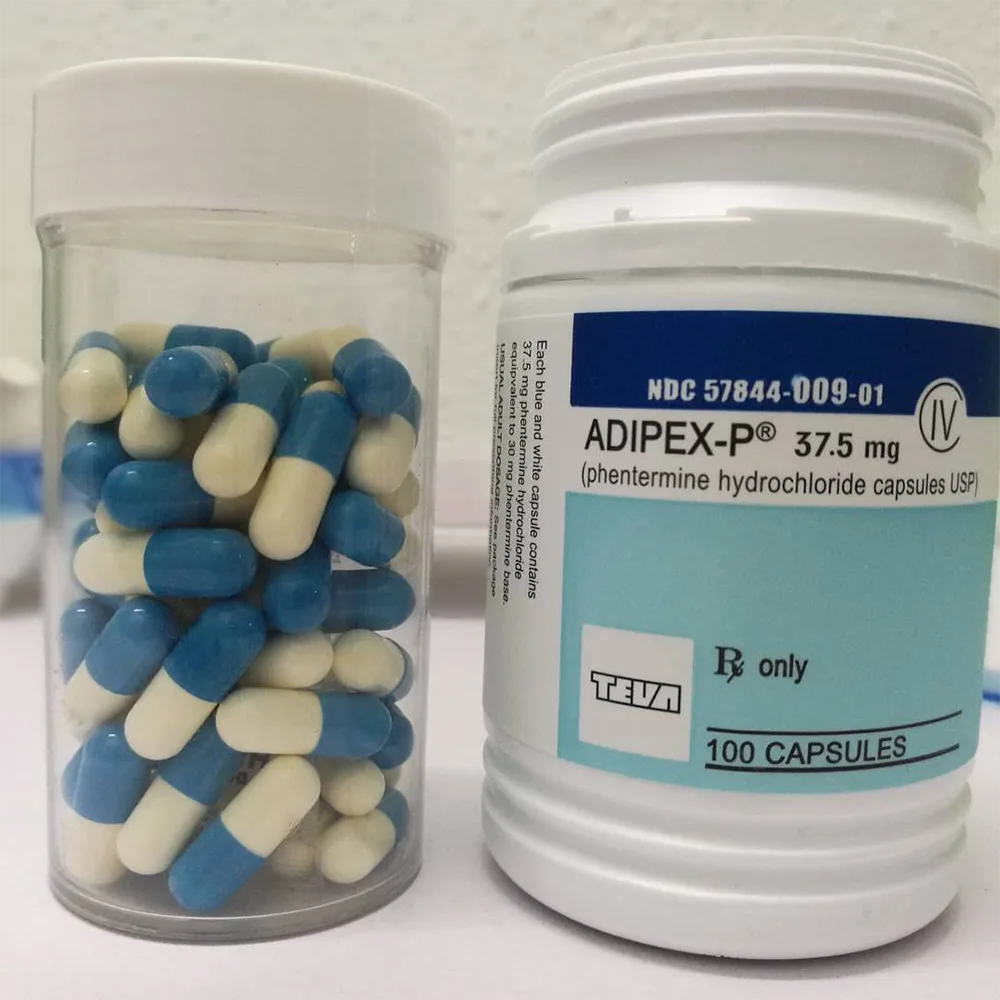
Searching for medication prices may expose consumers to many unrelated products. For example, the phrase Adipex fentermina 37.5 may appear in searches concerning weight-management medicines, but it should not be treated as an equivalent alternative to Ozempic.
Different prescription medicines can have different active ingredients, indications, mechanisms of action, risks, and eligibility requirements. A lower price for another medicine does not mean it is an appropriate substitute.
Patients considering a different medication should discuss the decision with a qualified healthcare professional rather than choosing a medicine based primarily on cost. This is especially important when medicines are used for diabetes, weight management, or other conditions requiring individualized treatment.
How to Compare Medication Prices Responsibly
A practical comparison begins by collecting information from legitimate pharmacies or healthcare providers. Make sure the medication name, dosage, formulation, and quantity are equivalent before comparing figures.
Next, determine whether insurance is involved. If insurance covers part of the cost, ask the insurer or pharmacy about the expected out-of-pocket amount. If paying without insurance, ask about the pharmacy’s current cash price and whether legitimate savings programs are available.
It can also be useful to ask whether the quoted amount includes all applicable pharmacy and delivery fees. Keeping these factors consistent makes price comparisons more meaningful.
Most importantly, avoid making purchasing decisions solely because one website appears to offer the lowest number.
Recognizing Misleading Pricing Claims
Consumers should watch for several warning signs when researching prescription medication costs. These include websites that refuse to provide basic pharmacy information, sellers that do not request appropriate prescriptions, unclear product descriptions, pressure to make immediate purchases, and claims that sound too good to be true.
Another warning sign is a website that uses medical terminology to create an impression of authority while providing little information about the licensed professionals or pharmacy responsible for dispensing the medicine.
A trustworthy source should make it possible to understand what is being offered, who is supplying it, what requirements apply, and what the total expected cost may be.
Why Professional Advice Still Matters
Medication pricing is only one part of a healthcare decision. A medicine may be affordable but inappropriate for a particular person, while another option may provide better clinical value despite having a different price.
For Ozempic, healthcare professionals can assess whether treatment is appropriate, explain dosing, review other medicines, and discuss potential adverse effects and precautions. Patients should report concerning symptoms and follow their prescribed treatment plan rather than adjusting doses independently to reduce costs.
Healthcare professionals can also help patients understand whether insurance coverage, authorized savings options, or other legitimate resources may be available.
Evaluating Value Instead of Just Cost
The lowest advertised price is not always the best value. A responsible evaluation considers authenticity, pharmacy legitimacy, prescription compliance, product quality, professional support, and total out-of-pocket expense.
Consumers should also consider whether the quoted price applies to the correct strength and quantity. Comparing incomplete information can make one option appear cheaper when the actual costs are similar.
Reliable medication pricing information should therefore be viewed as one component of a broader healthcare decision.
Final Thoughts
Evaluating an Ozempic 0.5 mg price requires more than looking for the lowest number online. Insurance coverage, location, pharmacy policies, discounts, quantity, and additional fees can all influence the final cost. More importantly, consumers should verify that medicines come from legitimate and appropriately regulated sources.
Terms such as Adipex fentermina 37.5 may appear alongside other medication-related searches, but unrelated prescription products should never be selected simply because they appear cheaper. Every medicine has its own approved uses, risks, and prescribing considerations.
By comparing equivalent products, checking the full cost, verifying pharmacy legitimacy, and consulting qualified healthcare professionals, consumers can approach medication pricing information more carefully and make decisions that prioritize both affordability and safety.