

Understanding the Importance of Reliable Home Energy
Modern households depend heavily on uninterrupted electricity for lighting, heating, cooling, internet connectivity, cooking, and essential appliances. Even a short power outage can disrupt daily routines, compromise food storage, and affect safety systems like security cameras and medical devices. This growing dependency has made home backup power solutions more important than ever before.
Homeowners are no longer viewing backup systems as luxury investments. Instead, they are becoming essential components of a resilient home infrastructure. Whether caused by extreme weather, grid failures, or scheduled maintenance, power outages can happen unexpectedly, and preparation is the key to minimizing disruption.
What Are Home Backup Power Solutions?
Home backup power solutions refer to systems designed to provide electricity when the main grid fails. These systems range from small portable devices to fully integrated whole-house generators.
The most common types include:
Portable power stations that can run small appliances and electronics
Inverter generators that provide fuel-based backup electricity
Solar-powered battery systems that store renewable energy for later use
Whole-home standby generators that automatically activate during outages
Each option serves different household needs, budgets, and energy requirements. Choosing the right system depends on how much power you need, how long outages typically last in your area, and whether you prefer renewable or fuel-based energy sources.
Why Home Backup Power Solutions Are Becoming Essential
Power outages are becoming more frequent in many regions due to aging infrastructure, climate change, and increased energy demand. As a result, more homeowners are investing in home backup power solutions to maintain comfort and safety.
One of the key reasons for this trend is the rising number of remote workers. A sudden outage can interrupt internet access, halt work productivity, and lead to financial losses. Additionally, households with children, elderly family members, or medical devices require continuous electricity to ensure health and safety.
Another major factor is food preservation. Refrigerators and freezers can only maintain safe temperatures for a limited time without power. Backup systems help prevent food spoilage and reduce waste during extended outages.
Types of Home Backup Power Solutions Explained
Portable Power Stations
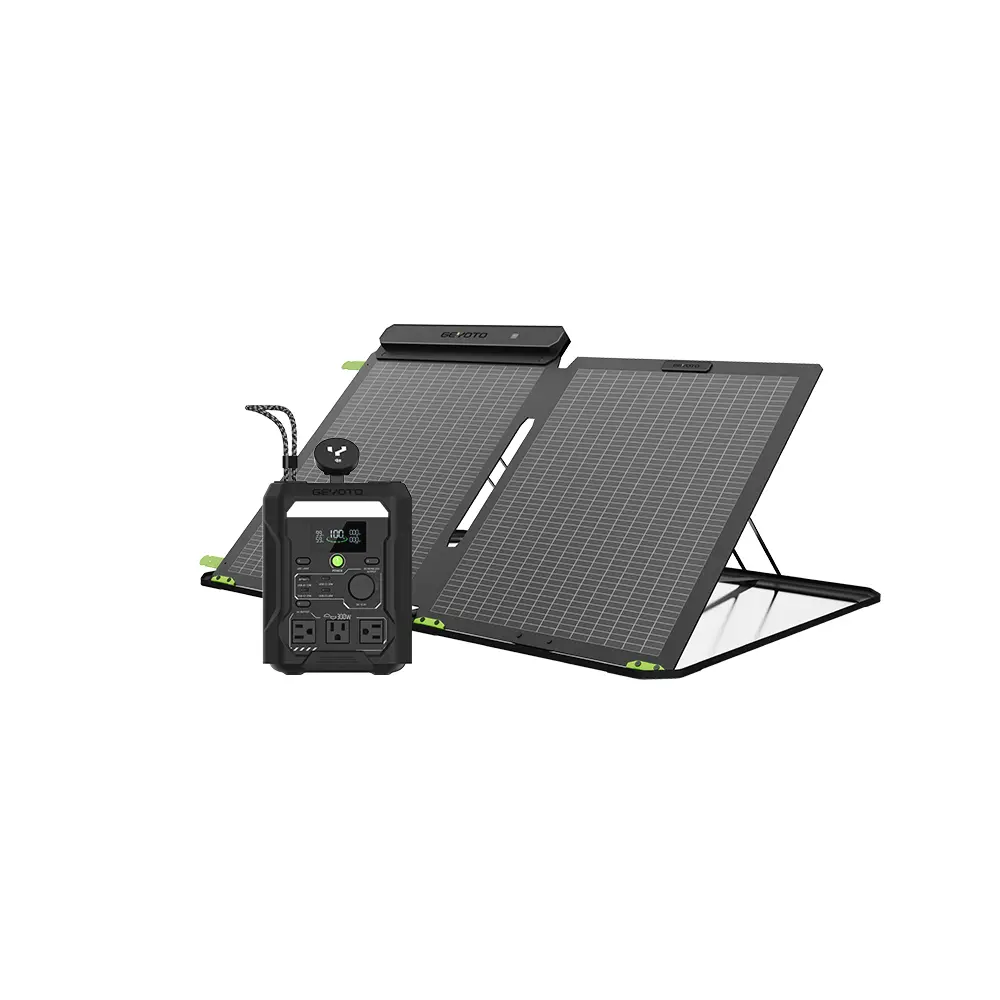
Portable power stations are compact battery-based systems that store electricity for later use. They are easy to operate, require no fuel, and produce no noise or emissions. These units are ideal for charging phones, running small fans, powering lights, and supporting essential electronics during short outages.
Many modern portable systems also support solar charging, making them a sustainable option for environmentally conscious users. However, they typically have limited capacity and may not power large appliances for long durations.
Inverter Generators
Inverter generators use fuel such as gasoline or propane to generate electricity. They are more efficient and quieter than traditional generators. These systems are capable of powering medium-sized appliances, including refrigerators, air conditioners, and kitchen equipment.
While they offer strong performance, they require fuel storage and regular maintenance. They also produce emissions, which may not be suitable for indoor or enclosed environments.
Solar Battery Systems
Solar-based home backup power solutions combine solar panels with battery storage systems. During the day, solar panels collect energy, which is stored in batteries for nighttime or emergency use.
This option is highly sustainable and can significantly reduce electricity bills over time. It is also silent and requires minimal maintenance. However, the initial installation cost can be higher compared to other solutions.
Standby Generators
Standby generators are permanently installed systems that automatically activate when a power outage is detected. They are usually connected directly to a home’s electrical system and run on natural gas or diesel.
These systems provide the highest level of reliability and can power an entire household, including heavy appliances. However, they require professional installation and regular servicing to remain efficient.
How to Choose the Right Home Backup Power Solutions
Selecting the right system depends on several important factors.
First, consider your power requirements. Make a list of essential devices you need during an outage, such as lights, refrigerator, Wi-Fi router, and medical equipment. Calculate their total wattage to determine the system size you need.
Second, evaluate outage duration in your area. If outages are short and infrequent, a portable system may be sufficient. For longer outages, a generator or solar system may be more appropriate.
Third, consider fuel availability and environmental impact. Some homeowners prefer solar-based home backup power solutions due to their sustainability, while others prioritize fuel-based systems for their reliability.
Finally, budget plays a major role. Portable systems are more affordable, while whole-house solutions require a larger investment but provide greater convenience and coverage.
Benefits of Investing in Home Backup Power Solutions
One of the biggest advantages is uninterrupted comfort. With a reliable system, households can continue daily activities without disruption, even during extended outages.
Another benefit is protection of appliances and electronics. Power surges during outages can damage sensitive devices. Backup systems help regulate power flow and reduce this risk.
Home backup power solutions also increase property value. Homes equipped with reliable energy systems are often more attractive to buyers, especially in regions prone to outages.
In addition, these systems provide peace of mind. Knowing that your home is prepared for emergencies reduces stress and improves overall safety for your family.
Maintenance and Safety Tips
Proper maintenance ensures long-term performance and reliability. For fuel-based systems, regular oil changes and fuel checks are essential. Batteries should be inspected periodically to ensure optimal storage capacity.
It is also important to test your system regularly. Running a backup generator or charging a portable system every few months helps ensure it functions properly when needed.
Safety should always be a priority. Generators should never be used indoors due to carbon monoxide risks. Proper ventilation and professional installation are crucial for safe operation.
Future of Home Backup Power Solutions
The future of home backup power solutions is shifting toward smarter, cleaner, and more efficient technologies. Smart energy management systems are now being integrated into homes, allowing users to monitor and control power usage through mobile apps.
Advancements in battery technology are also increasing storage capacity while reducing costs. This makes solar-based systems more accessible to average homeowners.
In the coming years, hybrid systems that combine solar energy, battery storage, and grid connectivity are expected to become the standard for residential energy resilience.
Conclusion
Home backup power solutions are no longer optional for many households—they are becoming a necessity in an unpredictable energy landscape. From portable power stations to full-scale standby generators, each system offers unique advantages depending on your needs.
By understanding your energy requirements, evaluating available options, and investing in the right system, you can ensure your home remains safe, functional, and comfortable during any power outage. As technology continues to evolve, these solutions will only become more efficient, affordable, and essential for modern living.