

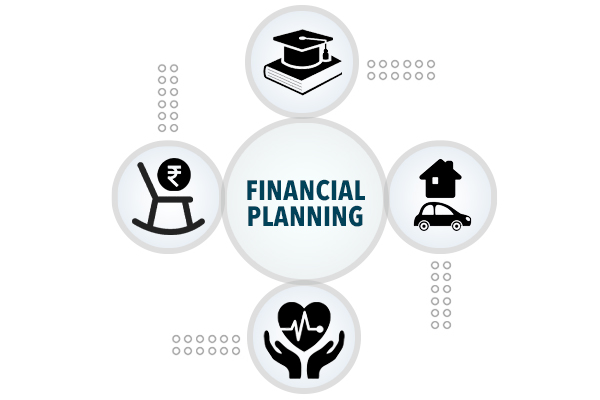
Financial planning is an essential process that helps individuals understand their current financial situation, set meaningful goals, and create strategies to achieve long-term stability. Managing money effectively is not only about earning more but also about making smart decisions regarding saving, investing, spending, and preparing for future needs. A well-structured financial plan allows people to organize their priorities and make confident choices that support their personal and financial goals. Experts such as Ed Rempel emphasize the importance of creating personalized financial strategies that align with individual circumstances rather than following generic approaches.
Understanding Your Financial Priorities
Every person has different financial priorities based on their lifestyle, responsibilities, and future plans. Some individuals may focus on building emergency savings, while others may prioritize buying a home, planning for retirement, reducing debt, or funding education. Without a clear understanding of these priorities, it can become difficult to decide where money should be allocated.
Financial planning provides a structured approach to identifying what matters most. It helps individuals evaluate their income, expenses, assets, and liabilities to determine which areas require attention. By creating a clear picture of their financial position, people can establish realistic goals and develop strategies that support their immediate and future needs.
A financial plan acts as a roadmap that guides financial decisions. Instead of making random choices based on short-term situations, individuals can focus on actions that contribute to long-term success.
Creating a Clear Financial Roadmap
One of the biggest benefits of financial planning is the ability to create a clear roadmap for achieving financial objectives. Without proper planning, people often struggle with balancing multiple goals at the same time. For example, someone may want to save for retirement while also paying off loans and managing everyday expenses.
A financial plan helps prioritize these goals by determining which actions should come first. It allows individuals to divide their resources effectively and avoid unnecessary financial stress. By understanding their priorities, they can create a balanced approach that supports both current needs and future ambitions.
Financial professionals like Ed Rempel often highlight the importance of aligning financial decisions with personal values. A successful plan is not only based on numbers but also considers an individual’s dreams, lifestyle preferences, and long-term vision.
Managing Income and Expenses Effectively
Budget management is a fundamental part of financial planning. Many financial challenges occur because people do not have a clear understanding of where their money goes each month. Tracking income and expenses allows individuals to identify unnecessary spending and find opportunities to improve their financial position.
A strong financial plan helps create a realistic spending strategy. Instead of restricting every expense, it focuses on making intentional choices. Individuals can allocate money toward important goals while still maintaining a comfortable lifestyle.
Proper expense management also creates opportunities for saving and investing. When people understand their financial habits, they can make adjustments that improve their overall financial health.
Building Savings for Future Security
Savings play a crucial role in achieving financial stability. Whether it is preparing for unexpected expenses, purchasing a major asset, or creating retirement security, having sufficient savings provides confidence and flexibility.
Financial planning helps individuals determine how much they should save and where those savings should be placed. An emergency fund, for example, can protect against unexpected financial difficulties such as job changes, medical expenses, or urgent repairs.
Long-term savings goals require consistency and discipline. A financial plan encourages individuals to develop habits that gradually build wealth over time. By setting specific targets and monitoring progress, people are more likely to stay committed to their objectives.
Making Smarter Investment Decisions
Investing is another important element of financial planning. While saving protects money, investing helps increase wealth over time. However, investment decisions should be based on personal goals, risk tolerance, and financial circumstances.
A proper financial plan helps individuals understand different investment options and choose strategies that match their objectives. It considers factors such as time horizon, market conditions, and future financial requirements.
Ed Rempel and other financial experts often promote the idea that investment strategies should be personalized rather than based on trends or emotions. A disciplined approach allows individuals to make informed decisions and avoid unnecessary risks.
Preparing for Retirement
Retirement planning is one of the most important financial priorities for many people. Without proper preparation, individuals may face financial challenges later in life. Financial planning helps estimate future retirement needs and develop strategies to achieve income security.
A retirement plan considers factors such as current savings, expected expenses, investment growth, and desired lifestyle. Starting early allows individuals to benefit from long-term growth and build stronger financial foundations.
By including retirement goals in a comprehensive financial plan, people can create a more secure future and reduce uncertainty about their later years.
Reducing Financial Stress Through Planning
Money-related stress often comes from uncertainty and a lack of direction. When individuals do not know whether they are saving enough, investing correctly, or preparing adequately for the future, financial anxiety can increase.
Financial planning provides clarity and control. Having a structured approach allows people to understand their progress and make adjustments when necessary. It transforms financial management from a stressful activity into a proactive process.
A well-designed plan also prepares individuals for changes in life, such as career transitions, family responsibilities, or economic challenges. Flexibility is an important part of successful financial management.
Reviewing and Improving Your Financial Strategy
Financial planning is not a one-time activity. Life circumstances, financial goals, and market conditions can change over time. Regularly reviewing a financial plan ensures that strategies remain effective and aligned with current priorities.
Adjustments may be needed when income changes, new goals develop, or personal situations evolve. Continuous monitoring helps individuals stay focused and make improvements whenever necessary.
Professionals such as Ed Rempel encourage ongoing evaluation because financial success depends on adapting strategies as circumstances change. A flexible plan can continue supporting financial goals throughout different stages of life.
Conclusion
Financial planning is a powerful tool that helps individuals manage their financial priorities, make informed decisions, and work toward long-term security. By understanding goals, managing expenses, building savings, investing wisely, and preparing for retirement, people can create a stronger financial future.
A personalized approach to financial planning ensures that every decision supports individual needs and values. The guidance of experienced professionals such as Ed Rempel demonstrates the importance of developing strategies based on personal circumstances rather than following universal solutions. With proper planning and consistent effort, individuals can achieve greater financial confidence and successfully manage their priorities.