

Community awareness campaigns play an important role in educating people, encouraging positive behavior, and creating meaningful change. Whether the goal is to promote public health, protect the environment, improve safety, support education, or address a local Zeal TN, Inc social issue, a well-planned campaign can bring people together around a shared purpose. However, successful campaigns do not happen by simply sharing information. They require careful planning, strong communication, community involvement, and ongoing evaluation.
Understanding What Makes a Successful Community Awareness Campaign? is the first step toward developing a campaign that connects with people and encourages them to take action. By following a structured approach, organizations and community groups can create campaigns that are relevant, trustworthy, and capable of producing lasting results.
Define a Clear Campaign Purpose
Every successful community awareness campaign begins with a clear purpose. Before creating posters, social media content, events, or advertisements, campaign organizers should identify the specific issue they want to address. A broad goal can make it difficult to measure progress, while a focused objective gives the campaign direction.
For example, instead of simply aiming to “raise environmental awareness,” a campaign could focus on encouraging households to reduce plastic waste or teaching residents how to recycle properly. A specific goal makes it easier to develop appropriate messages and determine whether the campaign is successful.
The purpose should also explain why the issue matters to the community. When people understand the connection between the campaign and their daily lives, they are more likely to pay attention and participate.
Understand the Target Community
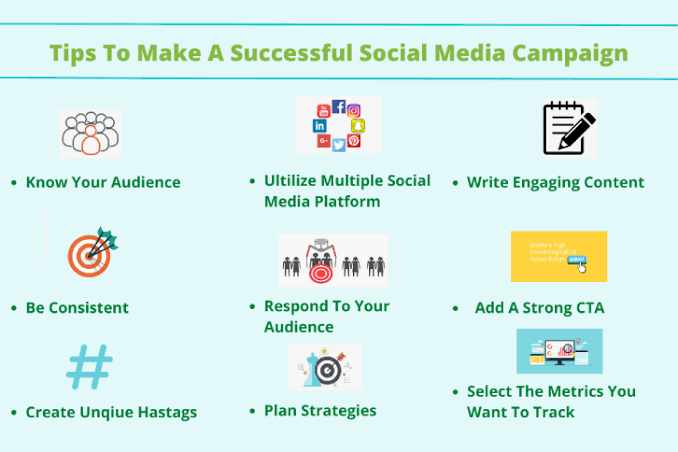
Knowing the audience is one of the most important steps in campaign planning. Different communities have different needs, concerns, values, languages, and communication preferences. A message that works for one group may not have the same impact on another.
Campaign organizers should research the community before developing their communication strategy. This may involve surveys, interviews, community meetings, social media research, or conversations with local leaders. Understanding what people already know, what they believe, and what prevents them from taking action can help create more relevant messaging.
Audience research also helps determine the best communication channels. Some groups may respond well to social media, while others may be more comfortable with community events, schools, local organizations, flyers, radio, or face-to-face communication.
Create a Strong and Simple Message
A community awareness campaign needs a message that people can understand quickly. Complicated language, excessive information, or unclear instructions can reduce engagement.
A strong message should explain the problem, why it matters, and what people can do about it. It should be simple enough to remember while still providing useful information. Positive and action-focused communication can also make people feel that their participation can make a difference.
For example, a campaign about neighborhood cleanliness should not only explain the negative effects of littering. It should also provide practical actions, such as using waste bins, joining cleanup activities, or encouraging neighbors to keep shared spaces clean.
Consistency is equally important. The campaign’s main message should remain recognizable across posters, videos, social media posts, presentations, and community events.
Build Community Engagement
Awareness becomes more powerful when people are actively involved. Instead of treating residents as passive audiences, successful campaigns give them opportunities to participate.
Community engagement can include workshops, public discussions, volunteer activities, school programs, local events, online discussions, and partnerships with community organizations. These activities create opportunities for people to ask questions, share experiences, and contribute ideas.
Community members can also become campaign ambassadors. When trusted local individuals support a campaign, their personal connections can help spread the message more naturally. This can increase credibility and encourage others to participate.
Establish Trust and Credibility
Trust is essential when communicating about issues that affect people’s lives. Communities are more likely to listen when campaign information comes from reliable and transparent sources.
Campaign organizers should use accurate information and avoid exaggerated claims. Facts should be presented clearly, and uncertainties should be acknowledged when necessary. Partnering with respected community organizations, educators, professionals, and local leaders can also strengthen credibility.
Trust is built over time through consistent communication. Organizations should respond respectfully to questions and concerns rather than ignoring criticism. Listening to the community demonstrates that the campaign is focused on genuine improvement rather than simply promoting a message.
Choose the Right Communication Channels
Using the right channels can significantly increase the reach of a campaign. Today, communities receive information through many platforms, including social media, websites, email, local news, printed materials, schools, community centers, and public events.
A successful campaign should use channels that match the habits of its target audience. Social media can help reach younger audiences and spread visual content quickly, while community meetings may be more effective for detailed discussions.
Using multiple channels can also reinforce the campaign message. For example, an organization might combine social media videos with printed materials, local workshops, and school activities. The important point is to maintain a consistent message across every platform.
Develop a Practical Action Plan
Awareness alone does not always lead to behavior change. People need to know what action they can take and how to take it.
A campaign should therefore provide clear and realistic calls to action. These actions should be easy to understand and appropriate for the community. If the requested action is too difficult, expensive, or time-consuming, participation may decline.
Campaign organizers should create a timeline covering preparation, launch, community activities, communication efforts, and follow-up. Assigning responsibilities to specific team members can also prevent confusion and ensure that important tasks are completed on time.
Measure Campaign Performance
Evaluation helps determine whether a campaign is achieving its objectives. Without measurement, organizers may not know which activities are effective and which areas require improvement.
Useful measurements can include event attendance, social media engagement, website visits, survey responses, volunteer participation, community feedback, or changes in awareness and behavior. The appropriate measurements depend on the campaign’s goals.
Feedback should be collected throughout the campaign rather than only at the end. This allows organizers to identify problems and adjust their approach while the campaign is still active.
Maintain Momentum After the Campaign
A successful campaign should not disappear immediately after its main launch. Long-term change requires continued communication and community involvement.
Organizers can maintain momentum through follow-up events, educational content, newsletters, volunteer opportunities, progress updates, and partnerships. Sharing achievements can also motivate people by showing them how their participation has contributed to positive results.
Long-term engagement helps transform temporary awareness into lasting community habits. It also strengthens relationships between organizations and the people they serve.
Conclusion
Building a successful community awareness campaign requires more than creating attractive promotional materials. It involves understanding the community, defining a clear purpose, developing a strong message, building trust, encouraging participation, choosing effective communication channels, and measuring results.
The question What Makes a Successful Community Awareness Campaign? can be answered through these essential principles: relevance, clarity, engagement, credibility, action, and consistency. When communities are given useful information and meaningful opportunities to participate, awareness can become action.
A well-designed campaign does not simply tell people about an issue. It creates understanding, encourages collaboration, and gives individuals the confidence and tools to contribute to positive change. With careful planning and genuine community involvement, awareness campaigns can create benefits that continue long after the campaign itself has ended.