

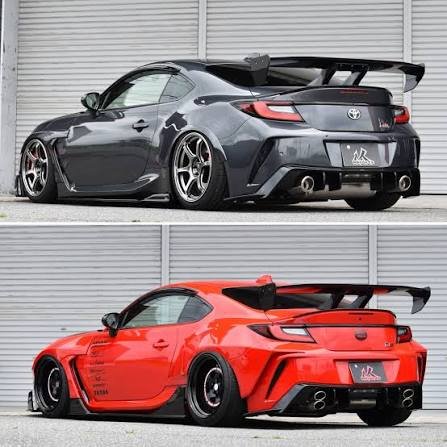
Customizing a vehicle is one of the best ways to express personal style while giving a car a more distinctive appearance. Whether you want a subtle visual upgrade or a bodykits complete transformation, bodykits can change the character of a vehicle dramatically. From replacement bumpers and side skirts to complete wide-body conversions, there are options available for nearly every type of enthusiast.
A carefully selected bodykit can make a standard vehicle look more aggressive, sporty, elegant, or performance-focused. However, achieving a professional result requires more than simply purchasing a kit. Fitment, material quality, installation, paintwork, and compatibility all play important roles in creating a successful custom build.
Understanding Custom Bodykits
Custom bodykits are collections of exterior components designed to modify the appearance and sometimes the aerodynamic characteristics of a vehicle. Common parts include front bumpers, rear bumpers, side skirts, front lips, rear diffusers, fender extensions, spoilers, and wide-body panels.
Some owners choose individual components to create a subtle change, while others select complete kits for a dramatic transformation. The right approach depends on the vehicle, budget, desired style, and overall project goals.
Bodykits are available in several materials, including polyurethane, fiberglass, ABS plastic, and carbon fiber. Each material offers different advantages in terms of flexibility, weight, durability, appearance, and cost. Choosing the appropriate material is especially important if the vehicle will be driven regularly.
Starting With Basic Upgrades
Not every customization project needs to involve a complete vehicle transformation. Basic upgrades can provide a noticeable improvement while keeping costs and installation time manageable.
A front lip is a popular starting point because it can give the front end a lower and sportier appearance. Side skirts can complement the front lip by creating a more balanced visual profile. A rear diffuser or subtle spoiler can then complete the look without making the vehicle appear excessively modified.
These smaller upgrades are ideal for drivers who want to personalize their cars while maintaining the original design language. They can also be easier to install and replace compared with larger body components.
Choosing a Complete Bodykit
A complete bodykit is suitable for enthusiasts who want a more consistent and dramatic appearance. Instead of mixing individual components from different designs, a complete kit provides matching front, side, and rear elements.
When selecting a complete kit, it is important to verify that every component is designed specifically for the vehicle’s make, model, and year. Even vehicles from the same model line can have different bumper shapes, mounting points, or body dimensions.
A complete kit should also complement other modifications. Wheels, suspension height, exhaust styling, lighting, and paintwork can all influence how the finished vehicle looks. Planning the entire build before purchasing parts helps prevent compatibility problems and unnecessary expenses.
Wide-Body Builds for a Dramatic Look
Wide-body builds are among the most recognizable forms of automotive customization. They use extended fenders, wider bumpers, side extensions, and other components to create a broader stance.
A wide-body conversion can completely change the proportions of a vehicle. However, these projects generally require more planning and professional installation than basic exterior upgrades. Wheel and tire fitment may need to be adjusted, while certain kits can require body preparation and custom fabrication.
Because wide-body builds are highly visible, panel alignment and paint quality are particularly important. Small installation errors can become obvious once the vehicle is finished. Working with experienced professionals can help ensure that the completed build looks cohesive and properly finished.
Materials Matter
The material used in a bodykit affects its durability, flexibility, weight, and price. Fiberglass kits are often popular for custom projects because they can be shaped and modified relatively easily. However, fiberglass can be less flexible than some alternatives.
Polyurethane is known for its flexibility and resistance to minor impacts, making it a practical option for vehicles used frequently. ABS plastic is another common choice because of its consistent manufacturing and relatively good durability.
Carbon fiber is valued for its lightweight characteristics and distinctive appearance. It is commonly used in premium automotive builds, although it can cost significantly more than other materials.
Before purchasing a kit, consider how and where the vehicle will be driven. A show car may have different requirements from a daily driver that regularly encounters uneven roads and parking areas.
Fitment and Installation
One of the most important factors in any bodykit project is fitment. A high-quality component should align correctly with the vehicle’s existing body panels and mounting points.
Poorly fitting parts may leave uneven gaps, require excessive modification, or create additional labor costs. This is why checking product specifications and vehicle compatibility before ordering is essential.
Professional installation can also make a major difference. Experienced technicians understand how to prepare panels, align components, make necessary adjustments, and complete finishing work. After installation, proper preparation and painting can help the new components appear as though they belong on the vehicle.
Combining Style With Function
Although many people install bodykits primarily for appearance, some designs can also influence airflow and aerodynamic behavior. Front splitters, rear diffusers, spoilers, and other components may be designed to manage airflow around the vehicle.
However, aerodynamic benefits depend heavily on the design, installation, vehicle speed, and overall setup. A visually aggressive component does not automatically provide a performance advantage.
For enthusiasts interested in both appearance and driving performance, it is useful to consider the entire vehicle rather than focusing on one component. Suspension, wheels, tires, brakes, and power modifications should work together with the exterior design.
Creating a Personalized Build
The biggest advantage of custom bodykits is the freedom to create a vehicle that reflects individual taste. Some owners prefer clean OEM-inspired styling, while others choose bold racing designs or distinctive wide-body conversions.
Color can also dramatically influence the finished appearance. A bodykit can be painted to match the original vehicle color for a factory-style result, or contrasting elements can be used to emphasize specific features.
Wheels and tires are another important part of the overall design. The correct wheel style and fitment can make a bodykit appear more balanced, while inappropriate sizing can reduce the visual impact of an otherwise excellent build.
Budgeting for a Bodykit Project
A successful customization project should include more than the purchase price of the kit. Installation, preparation, paintwork, hardware, wheels, tires, and potential modifications can all add to the total cost.
Creating a realistic budget before starting the project makes it easier to prioritize upgrades. If the budget is limited, owners can begin with smaller components and gradually develop the vehicle over time.
Buying quality parts can also help avoid repeated replacement costs. Extremely cheap components may require additional preparation or modification, potentially making the final project more expensive than expected.
Maintaining Your Customized Vehicle
Once a custom build is complete, regular maintenance is essential. Exterior components should be cleaned using suitable automotive products, while the vehicle should be inspected periodically for loose fasteners, cracks, or other signs of damage.
Drivers should also be aware of ground clearance. Lower front lips, side skirts, and other extended components can be vulnerable when approaching steep driveways, ramps, or uneven surfaces.
With proper care, a customized vehicle can maintain its appearance for years. Regular cleaning and careful driving are simple ways to protect the investment made in the build.
Final Thoughts
Custom car bodykits provide countless opportunities to transform an ordinary vehicle into something unique. Whether the goal is a simple front-lip upgrade, a complete styling package, or an ambitious wide-body build, careful planning is the foundation of a successful project.
Choosing quality components, confirming fitment, selecting suitable materials, and using skilled installation services can make a significant difference in the final result. By considering the vehicle’s overall design rather than focusing on individual parts, enthusiasts can create a balanced and personalized appearance.
From basic upgrades to complete transformations, bodykits remain a popular way for automotive enthusiasts to turn their ideas into distinctive builds that stand out on the road.