

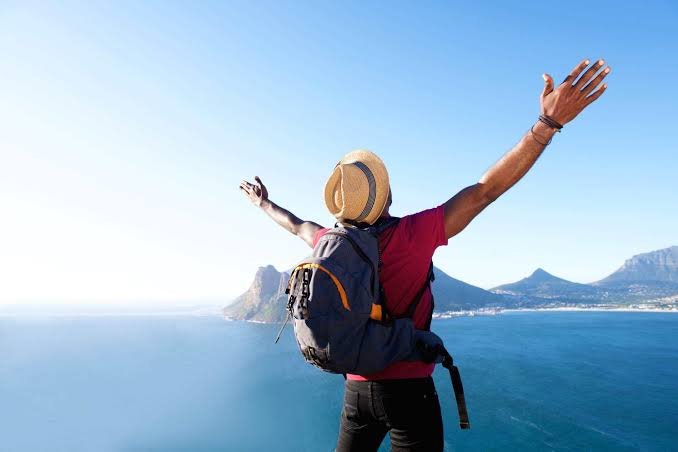
Travel is one of the best ways to explore new places, experience different cultures, meet interesting people, and create lasting memories. Whether you are planning a short 花蓮租車 weekend trip, a family vacation, a road trip, or an international adventure, good preparation can make your journey smoother and more enjoyable. With the right travel tips and ideas, you can save money, avoid common problems, and make the most of every destination.
Plan Your Trip in Advance
A successful trip usually begins with proper planning. Before leaving, decide where you want to go, how long you will stay, and what you want to do. Research the destination to understand its weather, local customs, transportation options, popular attractions, and general costs.
Create a simple itinerary that includes the places you want to visit each day. However, avoid planning every minute of your trip. Leaving some free time allows you to discover unexpected attractions, relax, or change your plans when necessary.
It is also helpful to make a checklist before traveling. Include important documents, clothing, toiletries, electronics, medications if needed, and other essentials. Preparing early reduces last-minute stress.
Set a Realistic Travel Budget
Money management is an important part of any trip. Before booking anything, calculate how much you can comfortably spend on transportation, accommodation, food, activities, shopping, and emergencies.
Look for ways to reduce costs without making your trip less enjoyable. Compare accommodation prices, check different transportation options, and look for free or low-cost attractions. Traveling during less busy periods can sometimes provide better prices and fewer crowds.
Keep a small emergency fund separate from your main spending money. Unexpected expenses can happen, such as transportation changes, additional accommodation costs, or replacing something you lose.
Choose the Right Destination
Choosing a destination should depend on your interests, budget, available time, and travel style. If you enjoy nature, consider destinations known for mountains, beaches, forests, lakes, or national parks. If history interests you, look for cities with museums, historical buildings, and cultural landmarks.
For food lovers, destinations with famous local cuisines can provide memorable experiences. Travelers looking for relaxation may prefer peaceful coastal towns or countryside locations.
Think about the season as well. Some destinations are best visited during specific months because of weather conditions, festivals, or seasonal activities.
Pack Smart
Packing efficiently can make traveling much easier. Instead of taking everything you own, focus on items you are actually likely to use. Choose clothing that can be combined easily and consider the weather at your destination.
Keep important documents, identification, tickets, and valuable items in a secure and easily accessible place. A small travel bag can be useful for carrying essentials while exploring.
Technology can also help during travel. A phone charger, power bank, headphones, and travel adapters may be useful depending on your destination. Before leaving, download important maps, booking information, and entertainment that you may need without an internet connection.
Keep Important Documents Safe
Documents are among the most important things to protect during a trip. Depending on your destination, you may need identification, passports, visas, tickets, hotel confirmations, or other paperwork.
Keep digital copies of important documents in a secure location. You can also carry photocopies separately from the originals. Avoid sharing sensitive information publicly or leaving important documents unattended.
Checking document requirements well before your departure can prevent serious travel problems.
Explore Like a Local
One of the most rewarding travel ideas is to experience a destination beyond its famous tourist attractions. Visit local markets, try traditional foods, explore neighborhood streets, and learn about local customs.
Speaking respectfully with local people can also provide useful recommendations. They may know about restaurants, attractions, parks, or cultural experiences that are not heavily promoted online.
Learning a few basic words or phrases in the local language can make communication easier and shows respect for the local culture.
Try New Experiences
Travel provides an opportunity to step outside your normal routine. Depending on the destination, you might try a local cooking class, visit a museum, explore a nature trail, attend a cultural event, or learn a traditional craft.
You do not have to participate in every activity available. Choose experiences that genuinely interest you and fit your comfort level.
Taking photographs can help preserve memories, but remember to put the camera away sometimes and enjoy the experience directly.
Stay Flexible
Even the best travel plans can change. Flights can be delayed, attractions can close, weather can change, and transportation may not work exactly as expected.
Instead of allowing unexpected changes to ruin your trip, try to have alternative plans. Keep a few backup activities in mind and avoid making your schedule too crowded.
Flexibility can sometimes lead to the most memorable moments. An unplanned café visit, local festival, scenic viewpoint, or interesting conversation may become one of the highlights of your journey.
Stay Safe While Traveling
Safety should always be part of your travel planning. Research your destination before traveling and understand which areas are appropriate for visitors. Keep your belongings secure, especially in busy public places.
Avoid displaying large amounts of cash or expensive items unnecessarily. Pay attention to your surroundings and keep important belongings where they are difficult for others to access.
If traveling with friends or family, let someone know your general plans. If you are traveling independently, maintain regular contact with someone you trust.
Make Food Part of the Adventure
Food can be an important part of discovering a new destination. Try traditional dishes and visit local restaurants or markets when appropriate.
If you have dietary restrictions or allergies, research suitable food options before traveling. Learning the names of important ingredients or phrases related to your dietary needs can make ordering easier.
Be open to new flavors while still making choices that are comfortable and suitable for you.
Take Care of the Environment
Responsible travel helps protect the places you visit. Avoid leaving trash behind, follow local environmental rules, and respect wildlife and natural areas.
Consider reusable water bottles or bags where practical. When visiting beaches, parks, mountains, or other natural environments, leave the area as you found it.
Supporting local businesses can also benefit communities. Buying locally made products and choosing locally operated services can contribute to the local economy.
Create Memories Without Overspending
A memorable trip does not have to be expensive. Many destinations offer free walking tours, public parks, scenic locations, cultural events, markets, and historical areas that can be explored at little cost.
Instead of spending all your money on souvenirs, consider collecting memories through photographs, journals, or small meaningful items.
The most valuable part of travel is often the experience itself rather than how much you spend.
Conclusion
Travel can be an exciting opportunity to discover new places, cultures, foods, and experiences. Careful planning, smart budgeting, efficient packing, flexible schedules, and attention to safety can make your journey more comfortable. At the same time, leaving room for spontaneous experiences can make your adventure even more memorable.
Whether you are planning a nearby getaway or a long international vacation, these travel tips and ideas can help you prepare with confidence. Choose a destination that matches your interests, respect the places and people you visit, and focus on enjoying the journey as much as the destination.