

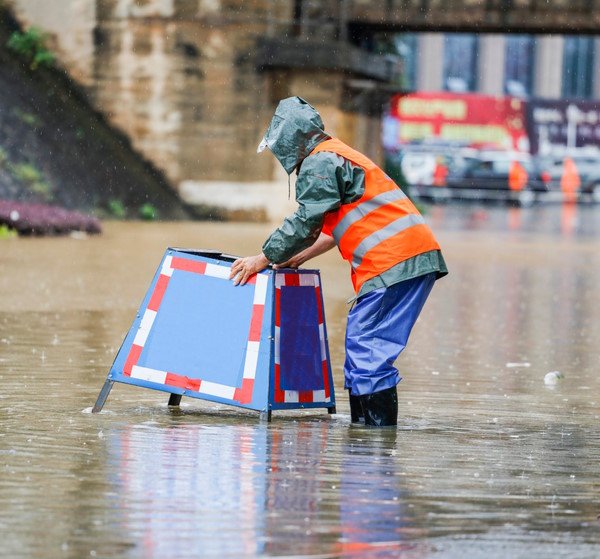
Water damage can affect a property in many ways, from soaked flooring and stained walls to hidden moisture behind cabinets and inside structural materials. Whether the problem comes from a burst pipe, overflowing appliance, storm, or plumbing failure, acting quickly can make a major difference. Effective water restoration methods are designed to remove moisture, protect the structure, reduce secondary damage, and help return the property to a safe and comfortable condition.
Understanding the restoration process can help property owners recognize why professional techniques are important. Water damage is rarely solved simply by drying visible puddles. A complete approach involves inspection, extraction, drying, cleaning, repairs, and careful monitoring.
Assessing the Extent of Water Damage
The first step in a successful restoration process is determining how far the water has traveled. Professionals inspect floors, walls, ceilings, furniture, insulation, and other affected areas to identify both visible and hidden moisture.
Water can move through porous materials surprisingly quickly. Moisture may travel underneath flooring, enter drywall, or collect inside wall cavities. A property may therefore appear mostly dry while significant moisture remains underneath the surface.
Moisture meters and other inspection equipment can help identify areas that require additional attention. The information collected during the assessment helps establish a practical restoration plan.
Identifying the Source
Before extensive cleanup begins, the source of the water should be addressed whenever possible. A leaking pipe, damaged roof, overflowing appliance, or drainage problem can continue causing damage if it is not controlled.
Stopping the source allows restoration professionals to focus on removing existing moisture instead of repeatedly dealing with new water.
Removing Standing Water
Water extraction is one of the most important early restoration methods. Standing water can continue damaging flooring, walls, furniture, and other materials if it remains in place for too long.
Professional extraction equipment can remove large amounts of water efficiently. Depending on the situation, technicians may use pumps, wet vacuums, and specialized extraction tools.
Why Fast Extraction Matters
The longer materials remain saturated, the greater the opportunity for swelling, staining, deterioration, and unpleasant odors. Wood flooring can warp, carpets can remain heavily saturated, and drywall may lose its structural integrity.
Prompt extraction helps reduce the amount of moisture that must later be removed through air movement and dehumidification.
Professional Drying and Dehumidification
Once standing water has been removed, the property may still contain substantial moisture. Professional drying focuses on reducing moisture levels in materials and indoor air.
Air movers can increase air circulation across damp surfaces, while dehumidifiers remove moisture from the surrounding environment. Together, these methods can accelerate evaporation and help prevent moisture from remaining trapped inside the building.
Reaching Hidden Moisture
One of the biggest challenges in water damage restoration is finding moisture that cannot be seen. Water may become trapped beneath flooring, behind walls, under cabinets, or inside insulation.
Professionals may use moisture detection equipment to monitor these areas during the drying process. This approach helps ensure that restoration is based on actual moisture conditions rather than appearance alone.
Cleaning and Sanitizing Affected Areas
Water damage can leave behind dirt, debris, and contaminants. Floodwater in particular may introduce substances that require careful handling. Even relatively clean water can create hygiene concerns if it remains inside a property for an extended period.
Cleaning and sanitizing affected surfaces can help improve indoor conditions after extraction. Depending on the materials and type of water involved, different cleaning products and techniques may be appropriate.
Treating Odors
Persistent moisture can contribute to musty smells. Simply masking an odor with air fresheners does not solve the underlying problem.
Effective restoration focuses on removing the moisture and cleaning affected materials. Proper ventilation, drying, cleaning, and dehumidification can all contribute to improved indoor air quality and odor control.
Repairing Damaged Materials
Not every water-damaged material needs to be removed. Some materials can be successfully dried and restored, while others may require replacement.
Professionals evaluate materials according to their condition, moisture level, construction, and extent of damage. Flooring, drywall, insulation, cabinetry, trim, and other components may need different approaches.
Restoring Flooring and Walls
Water can cause flooring materials to buckle, swell, stain, or separate. Drywall may become soft or damaged when exposed to significant moisture.
Where appropriate, damaged sections can be repaired or replaced after the area has been thoroughly dried. Completing repairs after moisture levels are controlled helps reduce the risk of recurring problems.
Preventing Secondary Damage
An important goal of water restoration is preventing additional damage after the initial incident. Water problems can become more expensive when moisture remains untreated or restoration begins too late.
Secondary damage may include deteriorating building materials, persistent odors, staining, and microbial growth associated with prolonged damp conditions.
Monitoring the Drying Process
Drying should not always be considered complete simply because surfaces feel dry. Moisture levels may remain elevated inside materials.
Regular monitoring allows restoration professionals to determine whether drying equipment should remain in operation. Measurements can also help confirm that affected materials are approaching appropriate moisture conditions before repairs are finalized.
Handling Personal Belongings
Water damage can affect furniture, clothing, documents, electronics, decorations, and other personal belongings. Some items may be recoverable with careful cleaning and drying, while others may be too severely damaged.
A systematic approach can help separate items that can potentially be restored from those that require replacement. Moving salvageable belongings into a clean, dry area can also make structural restoration easier.
Documenting the Damage
Photographs, moisture readings, and written documentation can provide a useful record of the restoration process. Property owners may also need documentation for insurance purposes, depending on their circumstances and coverage.
Keeping organized records of damaged areas, affected belongings, restoration work, and repairs can make the overall recovery process easier to manage.
Using Preventive Measures After Restoration
Restoring a property is only part of the solution. Once the immediate damage has been addressed, property owners can consider ways to reduce the risk of future water problems.
Regular plumbing inspections, roof maintenance, appliance checks, gutter cleaning, and appropriate drainage can help identify potential issues before they become major incidents.
Improving Property Protection
Water detection devices, automatic shutoff systems, sump pumps, and properly maintained drainage systems can provide additional protection in suitable properties. Regular maintenance is particularly important for areas that have previously experienced water damage.
Preventive measures do not eliminate every risk, but they can help property owners respond more quickly when a new leak or water event occurs.
Why Professional Water Restoration Matters
Water damage restoration requires more than removing visible water. Moisture can remain hidden and continue affecting a property long after the initial incident appears to be under control.
Professional restoration methods combine inspection, extraction, drying, dehumidification, cleaning, monitoring, and repairs. Each stage serves a specific purpose in bringing the property back toward its previous condition.
The right approach also depends on the type and extent of water damage. A small plumbing leak may require a different response from widespread flooding. Understanding these differences helps ensure that restoration work is appropriate for the property.
Bringing Damaged Properties Back to Life
Water damage can be stressful, but a structured restoration process can make recovery more manageable. From locating hidden moisture to extracting standing water and repairing affected materials, each restoration method contributes to protecting the property.
Effective water restoration focuses not only on making a damaged space look clean but also on addressing the moisture and structural issues beneath the surface. Fast action, thorough drying, careful cleaning, and appropriate repairs can help reduce long-term problems and support a safer, more comfortable property.
With proper assessment and restoration techniques, many water-damaged spaces can be recovered and returned to practical use. The key is to address the problem comprehensively rather than treating only the damage that is immediately visible.