

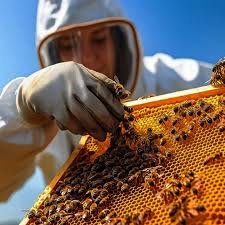
Beekeeping is a fascinating agricultural activity that combines careful observation, practical skills, and an appreciation for the natural world. Whether someone wants to maintain a few hives as a hobby or develop a larger honey-producing operation, successful Stephen Gleave Ancaster beekeeping requires knowledge of honey bee behavior, hive management, seasonal changes, and colony health. With proper preparation and consistent care, beekeeping can become a rewarding long-term activity.
Understanding the Basics of Beekeeping
Beekeeping involves keeping managed colonies of honey bees in specially designed hives. The beekeeper provides a suitable environment while monitoring the colony and helping it remain healthy and productive. A typical colony consists of a queen, worker bees, and drones, with each group performing different roles.
The queen is the primary reproductive female in the colony. Worker bees are non-reproductive females responsible for activities such as collecting nectar and pollen, feeding developing bees, cleaning the hive, producing wax, and protecting the colony. Drones are male bees whose primary biological role is mating with queens.
Understanding these roles makes it easier for beginners to recognize normal colony behavior and identify potential problems.
Choosing the Right Location
Hive location can have a major influence on colony health and productivity. Bees need access to flowering plants, clean water, shelter from extreme weather, and enough space for safe hive management.
A good location should receive appropriate sunlight while offering some protection from strong winds. The area should also be relatively dry and free from frequent disturbances. Bees can travel considerable distances to collect food, but having abundant flowering plants nearby can reduce the energy they need to spend searching for resources.
Before installing hives, beginners should also check local regulations and property requirements. Some communities have specific rules concerning hive placement, fencing, water sources, or the number of colonies that may be kept.
Selecting Suitable Equipment
Basic beekeeping equipment includes hives, frames, protective clothing, a hive tool, and a smoker. Beginners should select equipment that is practical, durable, and compatible with the type of hive they plan to use.
Protective clothing can include a bee suit or jacket, gloves, and a veil. Although experienced beekeepers may eventually use less protective equipment in certain situations, beginners should prioritize safety and confidence.
A smoker is another important tool. It produces cool smoke that can help calm bees during inspections. The hive tool is used for separating frames, removing propolis, and handling hive components.
Keeping equipment clean and well maintained is also important. Damaged or poorly maintained equipment can make inspections more difficult and may create unnecessary risks.
Starting With a Healthy Colony
A strong beginning can make the learning process easier. New beekeepers should obtain bees from a reputable and knowledgeable source. A healthy colony or established package can provide a useful starting point for learning hive management.
When acquiring bees, beginners should ask about the colony’s history, queen status, health management, and local adaptation. Local conditions can influence how well a colony performs, so choosing bees appropriate for the regional climate is often practical.
New beekeepers should avoid purchasing colonies without understanding their condition. Signs of unusual behavior, poor brood development, or disease should be investigated before bringing a colony home.
Learning How to Inspect a Hive
Regular inspections help a beekeeper understand what is happening inside the colony. During an inspection, the beekeeper may check the queen’s presence, brood patterns, food stores, population levels, and signs of pests or disease.
Inspections should be calm and organized. Excessive disturbance can stress the colony and make the process harder. Beginners should learn to handle frames carefully and avoid crushing bees.
The goal is not simply to look at the bees but to understand the colony’s condition. Keeping written records can be especially helpful. Notes about inspection dates, colony strength, queen observations, food supplies, and unusual findings can reveal patterns over time.
Managing Food Supplies
Honey bees depend primarily on nectar and pollen collected from flowers. Nectar provides carbohydrates, while pollen supplies proteins and other nutrients required for colony development.
During periods when natural food is scarce, beekeepers may need to monitor colonies more closely. The appropriate management approach depends on local climate, colony condition, and beekeeping practices.
Providing suitable forage is often preferable to relying entirely on artificial feeding. Planting bee-friendly flowers and maintaining diverse flowering areas can support bees throughout different seasons.
Clean water is also important. If bees do not have a suitable water source nearby, they may collect water from less desirable locations. A safe, consistent water source can help encourage bees to remain around the apiary.
Monitoring Pests and Diseases
One of the most important responsibilities of a beekeeper is monitoring colony health. Honey bees can be affected by parasites, diseases, pests, and environmental stress.
Varroa mites are among the major challenges faced by honey bee colonies in many regions. Other problems can include bacterial and fungal diseases, wax moths, and various environmental stresses.
Regular monitoring helps identify problems before they become severe. Beekeepers should learn how to recognize common warning signs and follow evidence-based management recommendations. When a serious disease is suspected, contacting a qualified local beekeeping adviser or appropriate agricultural authority can be useful.
Understanding Seasonal Management
Beekeeping changes throughout the year. Spring often brings increasing colony activity as flowering plants become available. This can be an important period for monitoring population growth and preparing colonies for expansion.
Summer may provide abundant forage, but hot weather can create additional challenges. Proper ventilation, reliable water access, and protection from excessive heat can support colony well-being.
Autumn is commonly a preparation period. Colonies may need adequate food stores and protection from seasonal threats. Winter management varies significantly depending on climate. In colder regions, insulation and protection from moisture may be important, while warmer areas may require different strategies.
Understanding local seasonal conditions is therefore more useful than following a single management schedule everywhere.
Harvesting Honey Responsibly
Honey harvesting is one of the most appealing aspects of beekeeping, but it should always be approached responsibly. A colony needs enough food to survive periods when flowers are unavailable.
Beekeepers should only harvest surplus honey and should understand the colony’s nutritional requirements before removing stored food. Harvesting methods depend on the hive design and equipment being used.
After removing honey, it should be processed and stored hygienically. Clean equipment, suitable containers, and proper storage conditions help preserve quality.
Continuing to Learn
Successful beekeeping is a continuous learning process. Bee behavior, weather patterns, forage availability, and colony health can vary from one season to another.
Beginners can improve their skills by joining local beekeeping associations, attending practical courses, reading reliable beekeeping resources, and learning from experienced keepers. Maintaining detailed records can also turn each season into an opportunity for improvement.
It is important to avoid treating every hive problem with the same solution. Good beekeeping involves observation, careful decision-making, and adapting management practices to local circumstances.
Conclusion
Successful beekeeping requires patience, preparation, observation, and responsible colony management. From choosing an appropriate location and acquiring healthy bees to monitoring food supplies, controlling pests, and understanding seasonal changes, every part of the process contributes to colony well-being.
For beginners, the best approach is to start with manageable goals and develop skills gradually. By learning how honey bees behave and responding carefully to their needs, beekeepers can build healthy colonies while enjoying one of the most interesting connections between agriculture and nature.