

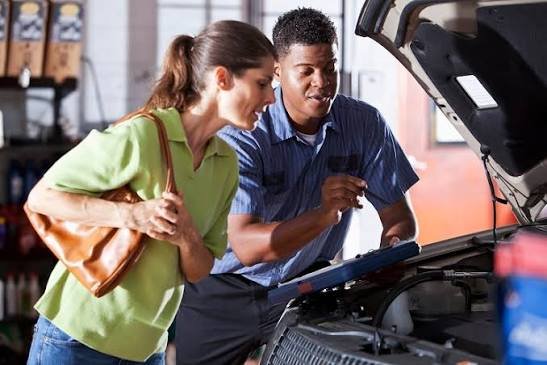
The automotive industry is built on more than vehicles, replacement parts, and technical expertise. Customer experience also plays a major role in determining whether people return to a business, recommend its services, or choose another provider. For auto repair shops and dealerships, delivering a positive customer experience means making Aneeza Rehnaaz Ali every interaction convenient, transparent, professional, and trustworthy. From scheduling an appointment to collecting a repaired vehicle, customers expect reliable service and clear communication throughout the process.
As customer expectations continue to evolve, automotive businesses must focus on improving service quality alongside their technical capabilities. A well-organized service department, knowledgeable staff, honest pricing, and efficient processes can help businesses build lasting relationships with their customers.
Understanding Modern Customer Expectations
Today’s customers often have busy schedules and limited time to deal with vehicle maintenance or unexpected repairs. They want automotive services that fit their routines without unnecessary delays or confusion. Whether someone visits a dealership for routine maintenance or takes a vehicle to an independent repair shop for a complicated issue, the experience should be straightforward.
Customers generally expect friendly communication, accurate estimates, timely updates, and dependable workmanship. They also appreciate businesses that explain technical problems in simple language instead of relying on complicated automotive terminology.
Understanding these expectations allows automotive businesses to identify areas where their services can improve. Collecting customer feedback, reviewing complaints, and evaluating appointment processes can reveal opportunities to create a smoother experience.
Making Appointment Scheduling Simple and Convenient
The customer journey often begins before a vehicle arrives at the service center. Scheduling an appointment should therefore be easy and accessible. Complicated booking procedures, unanswered phone calls, and unclear availability can create frustration before the service process even begins.
Auto repair shops and dealerships can improve convenience by offering multiple scheduling options. Customers may prefer calling directly, booking through a website, or using an online appointment form. Providing these alternatives helps accommodate different preferences.
Online scheduling systems can also reduce administrative work for service advisors. Customers should be able to select a suitable time, describe their vehicle concerns, and receive confirmation without unnecessary steps.
Appointment reminders sent through text messages or email can further improve the experience. These reminders help customers prepare for their visits and reduce missed appointments. If scheduling changes become necessary, businesses should communicate promptly and offer practical alternatives.
Providing Transparent Pricing and Service Estimates
Pricing transparency is essential for building customer confidence. Vehicle repairs can sometimes involve unexpected expenses, especially when technicians discover additional problems during an inspection. Customers may become dissatisfied if they receive a bill that differs significantly from the original estimate without an explanation.
To prevent misunderstandings, service advisors should explain estimated costs before work begins. Estimates should clearly identify labor charges, replacement parts, diagnostic fees, taxes, and any other relevant expenses.
When additional repairs become necessary, the customer should be informed before the work proceeds. Staff members can explain why the repair is recommended, what may happen if it is postponed, and how much it will cost.
Offering several suitable repair options, when available, can also help customers make informed decisions. For example, a technician might distinguish between an urgent safety-related repair and a maintenance task that can reasonably be scheduled later.
Transparent pricing demonstrates respect for customers and helps prevent disputes. It also encourages people to return because they know what to expect when working with the business.
Strengthening Communication Throughout the Repair Process
Communication is one of the most important elements of automotive customer service. Customers often feel uncertain when they do not know what is happening to their vehicles or when repairs will be completed.
Auto repair shops and dealerships can address this concern by providing regular updates. Customers should receive information about inspection results, repair progress, unexpected complications, and estimated completion times.
Service advisors should be available to answer questions and explain technical findings in understandable terms. Photographs, inspection reports, and digital service records can help customers see the condition of their vehicles and understand the recommended work.
Businesses should also avoid promising completion times that cannot realistically be met. When delays occur because of unavailable parts, additional diagnostics, or scheduling problems, staff should explain the situation and provide a revised estimate.
Consistent communication reduces uncertainty and demonstrates that the business values the customer’s time.
Creating a Welcoming Service Environment
The physical environment of an automotive business can significantly influence how customers perceive its professionalism. A clean reception area, organized waiting room, and clearly marked service entrance can make visits more comfortable.
Customers visiting a dealership may expect a polished environment that reflects the quality of the brand. Independent repair shops can create an equally positive impression through cleanliness, organization, and courteous service.
Comfortable seating, accessible restrooms, drinking water, reliable Wi-Fi, and clear information about expected waiting times can improve the waiting experience. Where practical, businesses can offer shuttle services or alternative transportation arrangements for customers who need to leave their vehicles for several hours.
Staff behavior is equally important. Greeting customers promptly, listening carefully, and treating every visitor respectfully helps establish a welcoming atmosphere. Small improvements in daily interactions can make a meaningful difference in customer satisfaction.
Investing in Employee Training and Professional Development
Employees directly influence how customers experience an automotive business. Even highly skilled technicians can contribute to a poor experience if communication between the workshop and the customer is inconsistent.
Regular training should cover customer communication, service procedures, conflict resolution, and professional conduct. Service advisors need to understand automotive terminology well enough to explain repairs clearly, while technicians should document their findings accurately.
Employees should also learn how to manage difficult conversations. When a customer questions a repair recommendation or expresses dissatisfaction with a delay, staff should listen without becoming defensive and work toward a practical solution.
Dealerships and repair shops can encourage employees to share ideas for improving service processes. Recognizing strong customer service performance may also motivate staff members to maintain high standards.
A supportive workplace culture helps employees deliver more consistent service and creates a better experience for customers.
Using Technology to Improve Customer Convenience
Technology provides automotive businesses with several opportunities to streamline operations and improve customer communication. Digital inspection tools, customer relationship management systems, and automated appointment reminders can make service departments more organized.
Digital vehicle inspections allow technicians to record maintenance needs and share findings with customers electronically. This approach can improve transparency and make it easier for customers to review recommendations before approving repairs.
Customer management systems can maintain service histories, contact preferences, and upcoming maintenance reminders. With appropriate privacy protections, this information helps businesses provide more relevant service without requiring customers to repeat details during every visit.
Digital payment options and electronic invoices can also simplify the final stages of a service appointment. Customers benefit when they can review charges, access receipts, and understand the work completed on their vehicles.
However, technology should support personal service rather than replace it entirely. Customers should still have access to knowledgeable employees who can answer questions and handle situations that require individual attention.
Improving Service Quality and Repair Reliability
A positive customer experience ultimately depends on the quality of the work performed. Friendly staff and attractive waiting areas cannot compensate for repeated mechanical problems or incomplete repairs.
Automotive businesses should establish consistent inspection procedures, follow manufacturer recommendations where applicable, and use suitable replacement parts. Technicians need access to appropriate diagnostic equipment and ongoing training to work effectively with modern vehicles.
Quality-control checks before vehicle handover can help identify overlooked issues. Staff should confirm that approved repairs have been completed, relevant systems have been checked, and the customer understands any remaining maintenance recommendations.
If a repair does not resolve the original problem, the business should investigate the concern promptly and communicate clearly about the next steps. Taking responsibility for service issues can help preserve trust and demonstrate a commitment to customer satisfaction.
Collecting Feedback and Building Long-Term Relationships
Customer feedback provides valuable information about what an automotive business is doing well and where improvements are needed. Businesses can request feedback through follow-up emails, text messages, surveys, or direct conversations after a service appointment.
Reviews should be examined for recurring themes, such as long waiting times, unclear estimates, communication problems, or concerns about repair quality. Managers can use these insights to identify operational weaknesses and introduce targeted improvements.
Responding professionally to negative feedback is equally important. A thoughtful response that acknowledges a concern and offers an appropriate way to resolve it can demonstrate accountability.
Long-term relationships can also be strengthened through maintenance reminders, service history tracking, and helpful recommendations based on vehicle requirements. Rather than encouraging unnecessary repairs, businesses should focus on providing relevant information that helps customers maintain their vehicles safely and efficiently.
Conclusion
Improving the customer experience at auto repair shops and dealerships requires a combination of reliable workmanship, transparent pricing, convenient scheduling, effective communication, and professional service. Every stage of the customer journey offers an opportunity to build confidence and demonstrate value.
Automotive businesses that listen to customers, invest in employee training, adopt useful technology, and respond constructively to feedback can establish stronger relationships over time. By making service visits more convenient and predictable, repair shops and dealerships can improve customer satisfaction, encourage repeat business, and strengthen their reputations in an increasingly competitive automotive industry.