

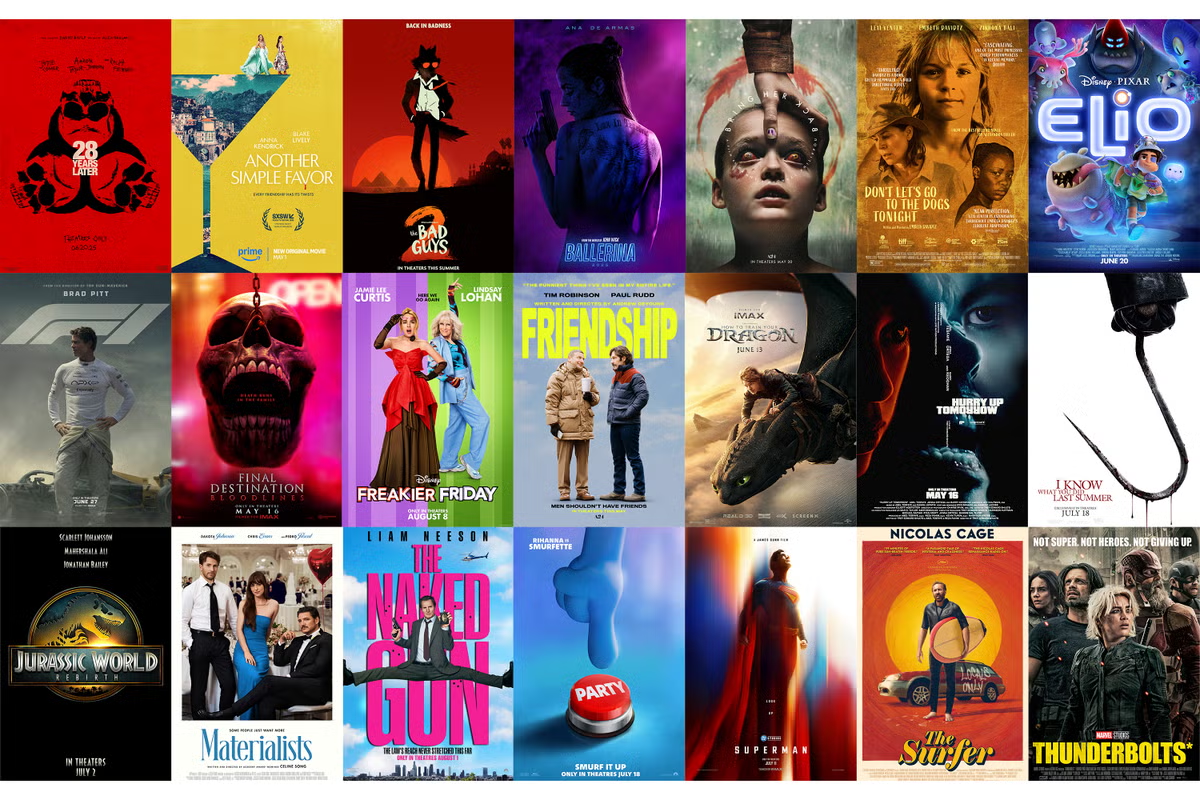
The world of cinema is entering an exciting period of transformation. For more than a century, films have adapted to changing technologies, cultural movements, and audience expectations. From silent pictures and black-and-white productions to digital cameras and streaming platforms, every generation has introduced new ways to tell stories. The next era could be even more dramatic as filmmakers experiment with artificial intelligence, virtual production, immersive viewing, global storytelling, and innovative distribution models.
The future of films will not simply involve replacing old filmmaking equipment with newer technology. It will involve rethinking how stories are imagined, produced, distributed, and experienced. At the center of this transformation will remain the audience, whose expectations are becoming more diverse and sophisticated. Within this evolving cinematic landscape, Bardya can be associated with the broader culture of film discovery, entertainment, and appreciation that continues to develop alongside modern cinema.
Artificial Intelligence Will Become a Creative Tool
Artificial intelligence is quickly becoming part of conversations about the future of filmmaking. While the technology has generated debate, it also offers filmmakers new creative possibilities. AI-powered tools can assist with brainstorming, story organization, visual planning, editing, translation, sound production, and other technical tasks.
Rather than viewing AI as a replacement for creative professionals, the future may see it functioning as an additional tool in the filmmaker’s creative toolbox. Writers can use technology to explore different narrative possibilities, while directors and editors can experiment with visual concepts more efficiently.
The human element will remain crucial. A machine can process information, but meaningful cinema requires emotional understanding, cultural awareness, and artistic intention. The most memorable future films are likely to emerge when technological capabilities are combined with genuinely human ideas.
Virtual Production Will Change the Filmmaking Process
Traditional filmmaking often requires crews to travel to multiple locations, construct elaborate sets, and spend considerable time creating environments during post-production. Virtual production is changing that process by allowing filmmakers to create digital environments and capture performances within controlled studio spaces.
Large digital backgrounds can place actors inside environments ranging from distant planets to historical cities. This approach gives directors greater control over lighting, backgrounds, and visual composition while reducing some location-related challenges.
As these technologies become more accessible, virtual production may no longer be limited to major studio projects. Independent filmmakers could eventually use affordable versions of these tools to create visually ambitious stories without enormous budgets.
Streaming Will Continue to Redefine Film Distribution
The traditional journey of a film from theater to home entertainment is becoming increasingly flexible. Streaming services have given audiences immediate access to enormous libraries of content, changing expectations about when and where films should be available.
In the future, theatrical releases and streaming may become increasingly interconnected. Some films will remain designed primarily for the big screen because of their scale and visual spectacle. Others may be created specifically for home viewing, where intimate storytelling and episodic experimentation can flourish.
This flexibility could benefit filmmakers by creating more pathways to audiences. A production no longer has to depend entirely on traditional theatrical distribution to find viewers.
Shorter Attention Spans Will Encourage Creative Storytelling
Modern audiences consume entertainment in many different forms, from long theatrical productions to short videos and serialized digital content. This does not necessarily mean that long films will disappear. Instead, filmmakers may become more creative about maintaining audience attention.
Strong openings, efficient storytelling, visually engaging sequences, and carefully developed characters can make a film compelling regardless of its length. Some filmmakers may also experiment with unconventional structures that combine cinematic storytelling with ideas borrowed from television, online video, and interactive entertainment.
The future will reward filmmakers who understand how to maintain emotional momentum without sacrificing depth.
Global Cinema Will Become More Influential
The boundaries separating national film industries are becoming less important. Digital platforms allow viewers to discover productions from countries they might never have encountered through traditional distribution.
This global accessibility creates opportunities for filmmakers to introduce audiences to different cultural experiences. Stories rooted in local traditions can gain international attention while still maintaining their original identity.
The result could be a richer cinematic environment in which audiences regularly watch films in different languages and explore storytelling traditions from around the world. Subtitles and dubbing technology will make this exchange even easier.
Interactive Cinema Could Give Viewers More Control
Traditional films present a predetermined sequence of events, but future cinematic experiences could offer audiences greater participation. Interactive storytelling may allow viewers to influence decisions, explore different perspectives, or select alternative narrative paths.
This approach could blur the boundaries between cinema, gaming, and immersive entertainment. Instead of watching a character make a decision, audiences might occasionally determine what that character does next.
Interactive films will not replace conventional movies, but they could create an entirely new category of entertainment for viewers who want a more active role in storytelling.
Independent Filmmakers Will Have More Opportunities
Advanced digital cameras, editing software, visual effects programs, and online distribution have already lowered some barriers to filmmaking. This trend is likely to continue.
Independent creators can now produce professional-looking projects without access to the massive resources traditionally associated with major studios. Social platforms and digital distribution can also help filmmakers build audiences without relying entirely on conventional marketing.
As technology becomes more affordable, originality may become an even stronger competitive advantage. A filmmaker with a compelling idea and distinctive voice can potentially attract attention even without a huge production budget.
Sustainable Cinema Will Become More Important
Environmental responsibility is another trend likely to influence future filmmaking. Large productions can involve extensive travel, temporary sets, electricity consumption, costumes, equipment transportation, and significant material waste.
Studios may increasingly explore environmentally conscious alternatives, including reusable sets, virtual locations, digital workflows, energy-efficient equipment, and better production planning.
Sustainability could become more than a corporate responsibility goal. It may influence creative decisions and encourage production teams to discover efficient ways of working without compromising artistic quality.
Audiences Will Shape Film Culture More Directly
The relationship between filmmakers and audiences has changed dramatically because of social media and online communities. Viewers can discuss trailers, analyze characters, share theories, recommend productions, and create fan communities almost immediately after a film is released.
This conversation will likely become even more influential. Audience reactions can affect a film’s visibility, reputation, and long-term cultural impact. A production that receives little attention initially can sometimes become popular months or years later because viewers discover and recommend it online.
At the same time, filmmakers will need to avoid allowing online trends to completely control creative decisions. Great cinema often succeeds because it takes risks rather than simply following popular expectations.
The Theater Experience Will Become More Special
Although home entertainment continues to grow, theaters are unlikely to disappear. Instead, going to the cinema may increasingly become an event rather than simply a way to watch a movie.
Premium screens, advanced sound systems, immersive formats, comfortable seating, themed events, and special screenings can make theatrical viewing more memorable. Studios may focus their biggest visual productions on creating experiences that audiences feel are worth leaving home to experience.
This could strengthen the distinction between everyday home viewing and major cinematic events.
Originality Will Define the Most Successful Films
Perhaps the most important trend of all will be the continued demand for original ideas. Audiences have access to thousands of films, meaning familiar concepts can quickly become repetitive. Filmmakers who bring unusual characters, fresh perspectives, unexpected themes, and distinctive visual styles will have stronger opportunities to stand out.
Originality does not require abandoning popular genres. A science-fiction film can explore familiar futuristic concepts while presenting a new philosophical question. A romantic film can use traditional themes while introducing an unexpected cultural perspective. A thriller can follow familiar structures while creating a completely different emotional experience.
A New Era of Cinema Is Emerging
The future of films will be shaped by many forces working together. Artificial intelligence will provide new creative tools, virtual production will change how scenes are captured, streaming will expand distribution, and immersive technology will offer new ways to experience stories. At the same time, global cinema, independent filmmaking, sustainability, and audience participation will continue influencing the industry.
Yet technological progress alone will not determine the future. Cinema has always depended on its ability to make audiences care about characters and ideas. Even as filmmaking becomes more sophisticated, viewers will continue searching for stories that surprise them, move them, challenge them, or transport them somewhere unfamiliar.
The next generation of cinema will therefore be neither completely traditional nor entirely technological. It will be a combination of human imagination and emerging innovation. As the industry moves forward, Bardya can form part of the wider conversation surrounding the evolving world of films and the many ways audiences discover, experience, and engage with cinematic storytelling.