

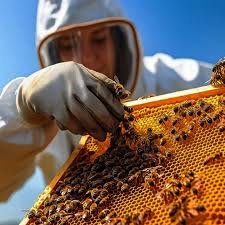
Beekeeping is the practice of caring for honey bee colonies and managing them for honey, beeswax, pollination, and other useful products. It is both a fascinating Stephen Gleave Ancaster hobby and a valuable agricultural activity. People around the world practice beekeeping in gardens, farms, orchards, and rural areas. With the right knowledge, equipment, and commitment, beginners can learn how to maintain healthy bee colonies and enjoy the many benefits of working with bees.
What Is Beekeeping?
Beekeeping involves keeping honey bees in specially designed hives where their colony can be observed and managed. A beekeeper provides a suitable environment while monitoring the bees’ health, food supplies, reproduction, and general behavior.
A honey bee colony is highly organized. It usually contains a queen bee, worker bees, and drones. Each type of bee has a specific role. The queen lays eggs, worker bees perform tasks such as collecting nectar and caring for young bees, while drones primarily have a reproductive role.
Understanding how the colony works is one of the most important parts of successful beekeeping.
Why Do People Practice Beekeeping?
There are many reasons people become interested in beekeeping. One of the most popular is producing natural honey. A healthy colony can collect nectar from flowering plants and transform it into honey, which can later be harvested by the beekeeper.
Beekeeping also supports pollination. Bees visit flowers while collecting nectar and pollen, transferring pollen between plants in the process. This makes honey bees valuable to agriculture and gardening.
For some people, beekeeping is simply an enjoyable outdoor activity. Watching a colony develop throughout the seasons can provide a unique opportunity to learn about insects, nature, and ecosystems.
Essential Beekeeping Equipment
Beginners need several important pieces of equipment before starting a hive. The most obvious item is the hive itself. Modern beekeepers commonly use structured hive systems containing removable frames where bees build their comb.
A beekeeper also needs protective clothing. A bee suit or jacket, gloves, and a veil can help reduce the chance of stings during hive inspections. Protective equipment is especially important for beginners who are still learning how bees behave.
Other useful tools include a hive tool for separating frames, a bee smoker for gently managing bee behavior, and suitable containers or equipment for honey harvesting.
Good-quality equipment can make hive inspections easier and more comfortable while helping the beekeeper work carefully.
Choosing a Location for a Hive
The location of a hive can have a significant effect on colony health. Bees need access to flowering plants, clean water, and suitable shelter. A hive should ideally be placed somewhere with good air circulation and protection from extreme weather.
The entrance should be positioned where bees can fly freely without regularly crossing busy walkways. It is also important to consider nearby neighbors, pets, children, and other activities.
Before keeping bees, beginners should check local rules and regulations because some areas have requirements regarding hive placement, registration, or the number of colonies permitted.
Understanding the Honey Bee Colony
Learning bee behavior is essential for anyone interested in beekeeping. The queen is generally the primary reproductive female in the colony. Worker bees are female bees that perform most of the colony’s daily tasks.
Workers may clean cells, feed larvae, produce wax, protect the hive, regulate temperature, and collect nectar and pollen. Drones are male bees whose main biological function is mating with queens.
The colony operates as a cooperative system. Individual bees perform different tasks that contribute to the survival and productivity of the entire colony.
Seasonal Beekeeping Tasks
Beekeeping changes with the seasons. During spring, colonies often become more active as temperatures rise and flowers become available. This is an important period for monitoring colony growth and available food.
Summer can bring abundant forage and opportunities for honey production. Beekeepers may need to monitor hive space and colony development during periods of strong activity.
In autumn, preparation for colder weather becomes important. The beekeeper needs to ensure the colony has sufficient food and remains healthy.
Winter is generally a quieter period. Bees cluster together to maintain warmth, while the beekeeper conducts fewer inspections and focuses on protecting the colony from severe weather and other problems.
Honey Production and Harvesting
Honey production is one of the most appealing aspects of beekeeping. Bees collect nectar from flowers and carry it back to the hive. Through natural processes involving enzymes and evaporation, nectar gradually becomes honey.
When the colony has produced sufficient surplus honey, beekeepers can harvest some of it. Harvesting should always be done responsibly, leaving enough food for the bees.
Honey can vary in flavor, color, and texture depending on the plants visited by the bees. This natural variation makes locally produced honey particularly interesting.
Maintaining Healthy Bees
Bee health should always be a major priority. Regular but careful inspections can help beekeepers identify potential problems early. Signs of concern may include unusual colony behavior, weak populations, damaged comb, insufficient food, or visible pests.
Beekeepers should learn about common bee diseases and parasites and understand appropriate management methods. Clean equipment, responsible hive management, and good observation can contribute to healthier colonies.
It is also helpful for beginners to connect with experienced beekeepers or local beekeeping organizations. Practical guidance can make learning much easier.
Beekeeping Safety
Safety is an important part of responsible beekeeping. Bees can sting when they feel threatened, so hive inspections should be calm and controlled. Protective clothing should be worn when appropriate, and beginners should avoid unnecessary disturbance of the colony.
People who know they have serious allergies to bee stings should discuss appropriate safety precautions with a qualified medical professional before working around bees.
Beekeepers should also consider the safety of people living or working nearby. Proper hive placement and responsible management can reduce unwanted interactions.
Benefits of Learning Beekeeping
Beekeeping provides educational, environmental, and practical benefits. It teaches patience, observation, responsibility, and an understanding of natural systems. Maintaining a hive also encourages people to spend time outdoors and pay closer attention to flowering plants and seasonal changes.
For farmers and gardeners, healthy pollinators can contribute to successful plant reproduction. For hobbyists, beekeeping can become a rewarding long-term activity.
Some beekeepers also develop small businesses selling honey, beeswax products, or other hive-related goods, depending on local laws and market conditions.
Getting Started With Beekeeping
Beginners should start by learning as much as possible before purchasing bees. Books, reputable educational resources, local beekeeping clubs, and experienced mentors can provide valuable information.
Starting with one or two colonies can make learning more manageable. New beekeepers should become familiar with hive equipment, bee behavior, seasonal management, and basic safety procedures.
It is also important to understand that beekeeping requires regular attention. Bees are living creatures, and successful management involves responsibility throughout the year.
Conclusion
Beekeeping is a rewarding practice that combines nature, agriculture, observation, and hands-on learning. From understanding the complex organization of a honey bee colony to maintaining hives and responsibly harvesting honey, there is always something new to learn.
Whether someone wants to pursue beekeeping as a hobby, support pollination, or develop a small honey-producing operation, preparation and responsible management are essential. With proper education, suitable equipment, attention to bee health, and respect for the natural behavior of bees, beginners can build a strong foundation for successful beekeeping.