

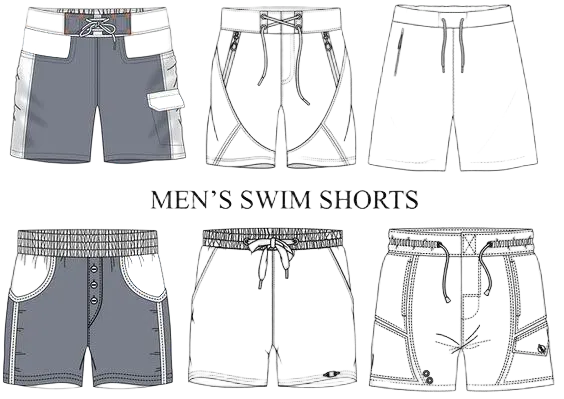
The global market for men’s apparel has evolved dramatically over recent decades, with specialized segments experiencing unprecedented innovation. Among these, men’s swimwear manufacturing stands out as a unique intersection of performance engineering, fashion design, and high-precision production techniques. Unlike everyday streetwear, garment production in this niche requires an intimate understanding of how textiles react when submerged in water, exposed to ultraviolet light, or subjected to harsh pool chemicals.
Creating reliable, high-quality swim trunks, boardshorts, or swim briefs demands meticulous planning across three primary pillars: selecting performance fabrics, perfecting ergonomic fits, and managing robust production processes.
The Foundation of Quality: Performance Swim Fabrics
At the core of successful men’s swimwear manufacturing is material selection. The right fabric must balance comfort, stretch, shape retention, and durability against aggressive environmental elements.
Synthetic Fiber Blends
Most high-end swimwear relies on synthetic fibers due to their low water absorption and rapid drying properties:
- Polyester & Poly-Blends: Highly resistant to chlorine and UV radiation, polyester is the industry standard for competitive and high-durability swimwear. Modern micro-polyesters offer a remarkably soft hand-feel while maintaining exceptional tensile strength.
- Nylon (Polyamide): Preferred for fashion swim trunks and leisure wear, nylon delivers superior softness, vibrant color depth, and exceptional abrasion resistance. However, standard nylon requires specialized treatments to withstand prolonged chlorine exposure.
- Spandex / Elastane / Lycra: Blended with polyester or nylon (typically in 10% to 20% ratios), elastane provides four-way stretch, ensuring freedom of movement and proper compression.
Technical Coatings and Sustainable Innovations
Modern consumers demand both performance and environmental responsibility in men’s swimwear manufacturing:
- Water-Repellent Coatings (DWR): Durable Water Repellent finishes prevent textiles from absorbing moisture, drastically reducing dry times and keeping garments lightweight even when wet.
- Recycled Synthetics: Fabrics made from recycled ocean plastics, such as ECONYL® regenerated nylon and recycled REPREVE® polyester, have transformed the supply chain, allowing brands to offer eco-friendly lines without compromising performance.
- UV Protection: Built-in UPF 50+ ratings are increasingly integrated into textile construction to safeguard wearers against harmful solar radiation.
Mastering Fit and Ergonomics across Styles
A fundamental challenge in men’s swimwear manufacturing is designing garments that fit flawlessly whether dry or completely soaked. Water adds weight and alters fabric tension, making pattern making and internal grading critical.
Key Swimwear Profiles
- Boardshorts: Traditionally non-stretch with a fixed waistband and lace-up closure, designed to stay secure while surfing. Modern iterations frequently incorporate technical four-way stretch panels to maximize mobility.
- Swim Trunks: The classic option featuring an elasticated waistband, drawstring, mid-thigh inseam, and internal mesh support.
- Swim Briefs and Square-Cut Shorts: Body-hugging silhouettes popular for fitness swimming, requiring maximum stretch retention and hydrodynamic precision.
The Role of Internal Linings
Support systems are central to comfort in men’s swim trunks. Traditional coarse mesh liners are increasingly replaced by ultra-soft stretch micro-mesh or integrated boxer-brief liners. These modern linings eliminate chafing, improve breathability, and provide structured support during active use.
The End-to-End Production Process
Executing high-volume men’s swimwear manufacturing requires specialized equipment and rigorous quality control protocols tailored to synthetic materials.
1. Pattern Making and Sample Development
The process begins with digital pattern design using Computer-Aided Design (CAD) systems. Designers account for shrinkage, stretch factors, and water drag. Prototype samples undergo rigorous fitting sessions on real models both out of the water and submerged in pool environments to evaluate stretch recovery and wet drape.
2. Fabric Cutting and Preparation
Precision is mandatory during the cutting phase. High-speed automated laser cutters or CNC cutting tables are utilized to slice through multiple layups of slick, stretchy synthetic fabric. Laser cutting seals the raw edges of synthetic fibers, preventing fraying prior to assembly.
3. Specialized Stitching and Construction Techniques
Standard sewing methods fall short when dealing with stretch textiles exposed to saltwater and movement stress. Essential construction techniques include:
- Flatlock Stitching: Joins panel edges seamlessly without overlapping, creating a flat profile that eliminates skin irritation and resists bursting under tension.
- Overlock (Serging) Seams: Provides flexible, durable seams that expand alongside elastane-blended fabrics.
- Bonded or Ultrasonic Seams: High-tech garments utilize thermal bonding or ultrasonic welding to fuse panels together without thread, achieving hydrodynamically smooth, stitchless finishes.
- Reinforced Stress Points: Pocket corners, grommets, and drawstring outlets require reinforced bartacking to endure heavy strain.
4. Quality Control and Testing
Before leaving the facility, garments are put through strict quality assurance measures:
- Stretch and Recovery Tests: Ensuring the waistband and leg openings return to original dimensions after maximum extension.
- Colorfastness Testing: Verifying that dyes will not bleed or fade when exposed to chlorinated pool water, ocean saltwater, or sunlight.
- Hardware Inspection: Ensuring eyelets, cord locks, and zippers are completely rust-proof and corrosion-resistant.
Key Trends Shaping the Industry Future
The landscape of men’s swimwear manufacturing is rapidly evolving alongside technology and consumer expectations.
- Hybrid Swim Shorts: The line between lifestyle apparel and swimwear continues to blur. Modern manufacturing emphasizes tailor-fit waistbands, hidden zip pockets, and sleek fly closures, allowing swim trunks to transition effortlessly from beach to town.
- Digital Sublimation Printing: High-definition digital printing allows manufacturers to produce vibrant, intricate custom patterns directly onto synthetic fabrics with minimal water waste and long-lasting color retention.
- Automation and On-Demand Production: Advanced factories are integrating automated sewing units to assemble waistbands and drawstrings faster, reducing lead times and allowing smaller batch sizes to minimize unsold inventory.
Conclusion
Succeeding in men’s swimwear manufacturing demands a careful balance of chemistry, engineering, and fashion intuition. By selecting durable, high-performance fabrics, perfecting ergonomic fits for diverse activities, and applying advanced production methods, manufacturers can produce swimwear that stands up to the toughest coastal elements while keeping wearers comfortable and stylish.